Compost Greens and Browns: A Simple Guide to Balance
Understand carbon-rich browns, nitrogen-rich greens, moisture and air. Build a manageable compost routine and troubleshoot common backyard-pile problems.
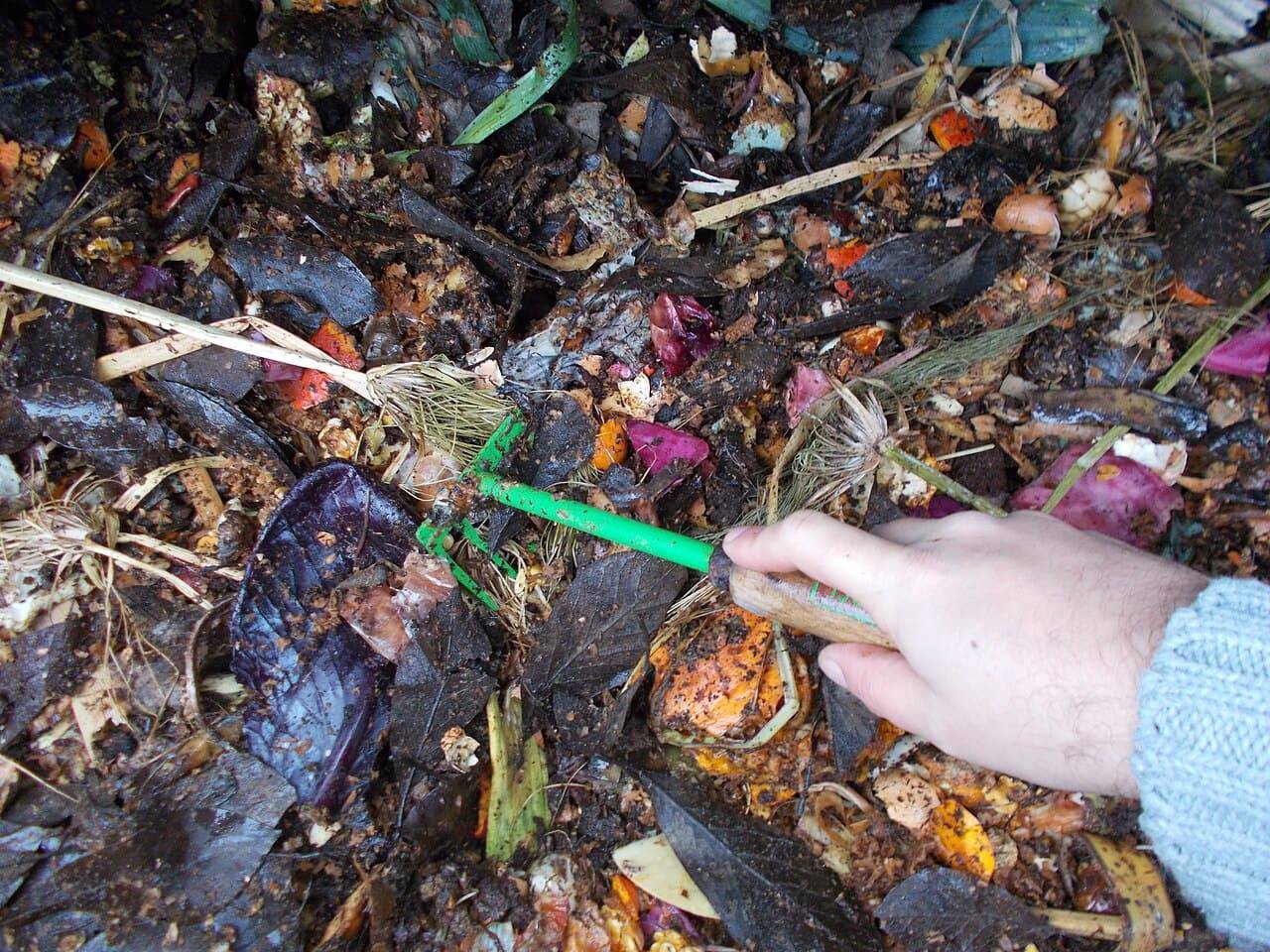
Greens and browns are composting categories, not a rule about the color of every scrap. Greens generally supply more nitrogen, while browns supply more carbon. A working backyard pile also needs suitable moisture and air. Understanding those four parts makes composting easier to manage than following a recipe by appearance alone. You can begin with ordinary suitable materials and learn from the way the pile behaves.
Understand the names before sorting the scraps
Fruit and vegetable scraps, coffee grounds and fresh grass clippings are common examples of greens. Dry leaves, appropriate shredded cardboard and dry plant material are examples of browns. Coffee grounds illustrate why color is not the deciding factor: they look brown but belong with the nitrogen-rich inputs in ordinary composting guidance.
Keep a supply of dry brown material near the composting area. A kitchen can produce fresh scraps every day, while dry leaves may be available only at particular times. Having both available makes it easier to cover new additions and adjust the mixture without searching the garden every time you empty a small collection container.
Start with a manageable balance
EPA guidance suggests roughly two to three parts browns to one part greens for a backyard pile. Treat that as a practical starting point, not a promise that every bucket of leaves or scraps has identical properties. Materials differ in density, size and moisture. Watch the pile and make sensible adjustments rather than weighing every apple core against an exact formula.
Break suitable large pieces into smaller ones so they combine more easily. A whole thick branch behaves very differently from a handful of shredded dry stems. At the same time, avoid creating a compact paste of very fine wet material. Structure matters because air needs a way to move through the mixture.
Know what belongs in your system
A basic backyard pile is not the same as a commercial collection service. Many home systems should avoid meat, dairy, oily food, pet waste and other materials listed as unsuitable in a reliable composting guide. A product described as compostable may require conditions your garden pile does not provide. Check the system's guidance rather than relying on the word printed on the packaging.
Keep noncompostable labels, ties and plastic out of the collection container. Removing them at the kitchen stage is easier than picking fragments from finished material. If your local service accepts items that your backyard system does not, maintain a clear distinction so that one set of instructions is not accidentally applied to the other.
Add moisture without making the pile waterlogged
Decomposers need moisture, but a saturated, compacted pile can lose the air spaces that make the process work well. Check the material rather than watering automatically whenever you add scraps. Dry browns may need moisture, while a pile receiving wet kitchen inputs and rain may already have enough.
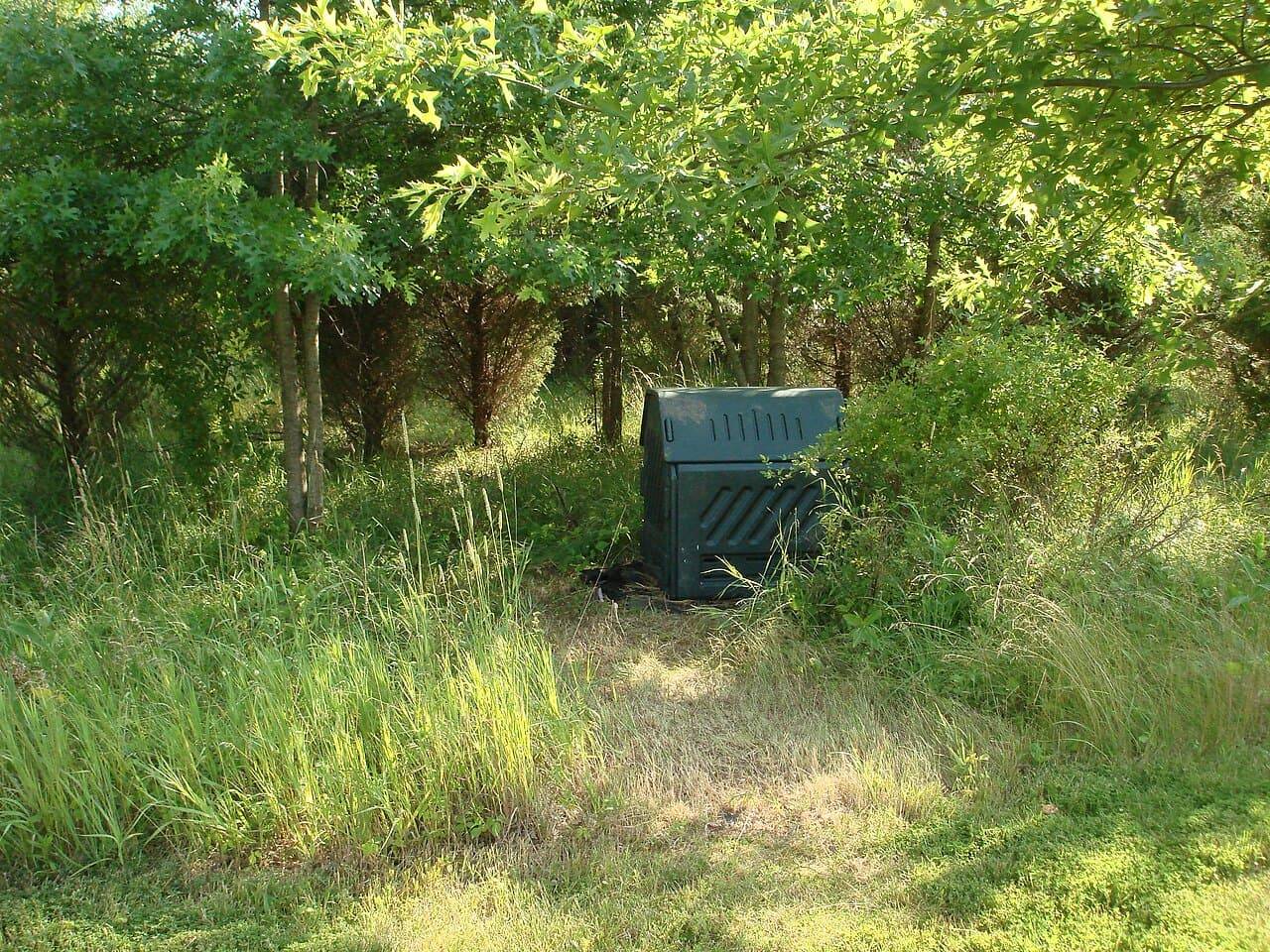
A cover can help manage exposure, depending on the bin and local conditions. It should suit the system rather than seal an ordinary pile into an airtight container. Think about both rain and drying wind when choosing the location. The right arrangement is one you can inspect and adjust safely throughout the season.
Make room for air
Turning or mixing an ordinary backyard pile can help combine materials and introduce air. The appropriate method depends on the bin, its size and how actively you want to manage it. Use tools you can handle comfortably and avoid lifting more than is sensible. A small, well-managed system can be more useful than a large pile that is difficult to maintain.
If the material becomes dense and unpleasant-smelling, consider whether it is too wet or contains too many greens relative to suitable browns. Adjust the mixture and structure using the system's guidance. Adding a fragrant ingredient to mask an odor is not the same as correcting the conditions that caused it.
Let observations guide troubleshooting
A pile that changes very slowly may be dry, cool, poorly balanced or made of large resistant pieces. Slow change alone does not identify one cause. Look at the inputs, moisture and structure together. Seasonal temperature changes also affect the pace, so do not compare a cool-weather pile with a demonstration managed under very different conditions.
Pests can be another sign to review what you are adding and how it is covered. Avoid putting unsuitable food into the pile and expecting a better lid to solve every problem. If a particular issue persists, consult local guidance for the system and wildlife in your area instead of escalating randomly through additives.
Use the finished material appropriately
Finished compost should have changed substantially from the fresh scraps that entered the pile. Follow guidance for judging maturity and for applying it to the intended planting. Do not treat a recently mixed bucket of kitchen waste as an immediate substitute for potting mix around delicate roots. Compost and a complete container-growing medium perform different jobs.
Composting is also only one part of reducing waste. Plan meals and storage so edible food is used before it becomes an input. In the garden, our potting-mix guide explains why a useful soil amendment should not automatically replace the entire medium in a plant pot.
A dependable routine keeps suitable greens and browns available, balances moisture with air and checks how the pile responds. The process becomes clearer when the material itself guides the next small adjustment.