How to Clean Plant Pots Before Reusing Them
Give used plant pots a practical cleaning routine, distinguish removing soil from disinfection and check whether a container is still suitable for planting.
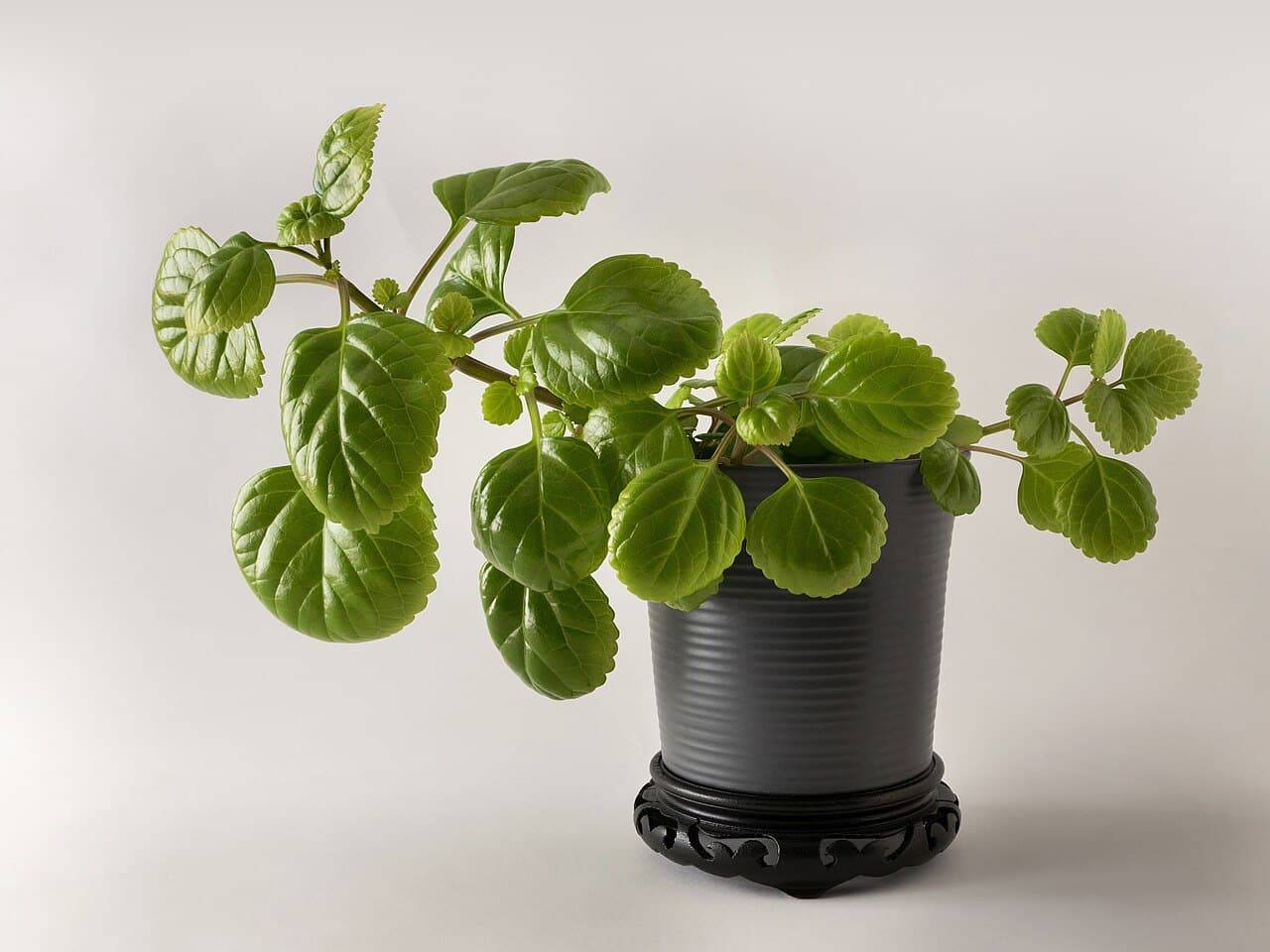
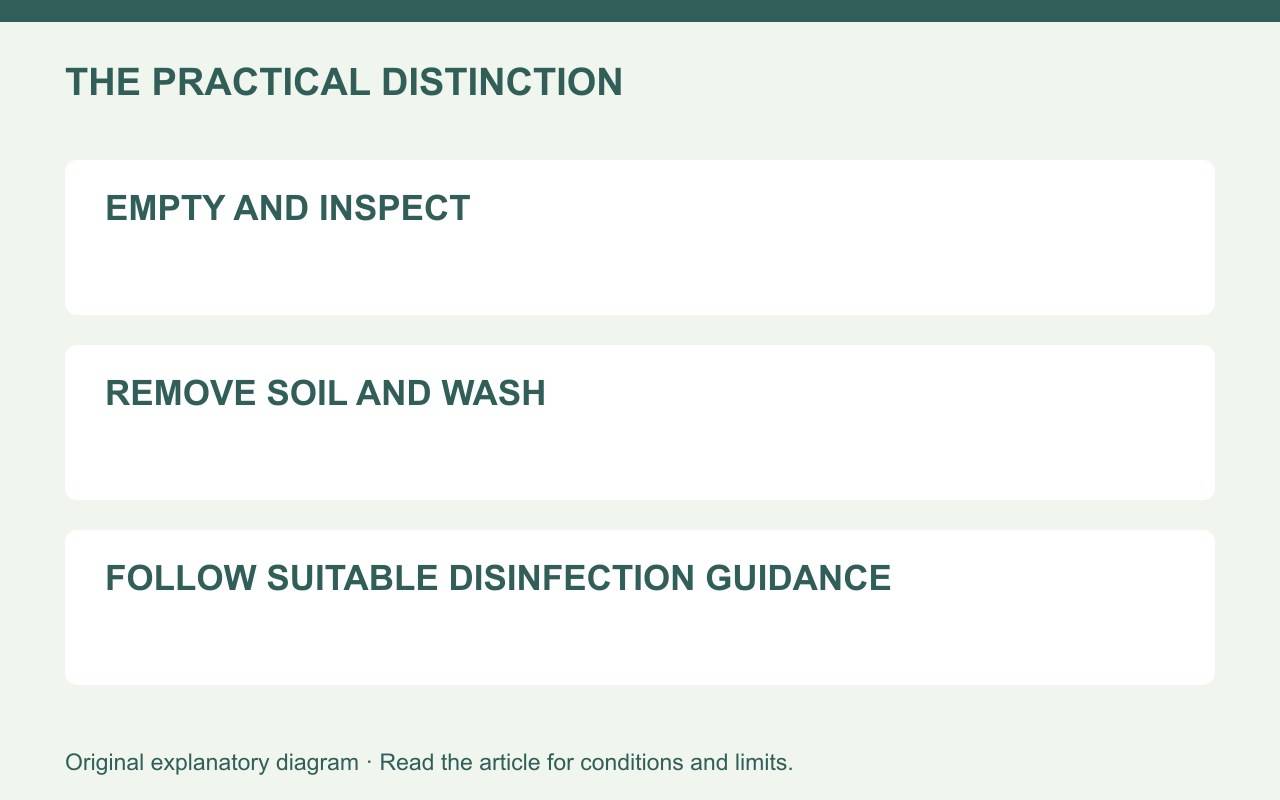
A used pot can be a useful gardening resource, but emptying out the old roots is only the beginning of preparing it for another plant. Inspect the container, remove the old growing material and wash away the remaining debris. Then decide whether an appropriate disinfection step is needed, using reliable horticultural guidance and the directions for the actual product and material.
Decide whether the pot deserves another job
Check the rim, base and drainage openings before spending time on cleaning. A cracked container, brittle plastic or a damaged support may be unsuitable even if its surfaces can be washed. Consider how you will lift it when it contains wet growing mix. An attractive finish does not compensate for a structural problem.
Match the container to its next use. A small seedling tray, a heavy outdoor planter and a decorative outer pot do different jobs. Mark which items can actually hold a planted root zone and which are intended to conceal a separate draining pot. This avoids discovering a missing drainage route after planting.
Empty it before washing it
Remove the old plant material and loose soil, including material trapped beneath a rim or around drainage holes. Keep the work separate from clean containers and fresh growing mix. University of Minnesota Extension explains that plant pathogens can move with soil and plant debris left on tools and containers. A thin layer that looks unimportant can therefore matter to the next planting.
Do not treat an old pot and its old mix as one inseparable package. Their reuse decisions are different. The history of a previous plant, especially a suspected disease problem, should influence how you handle the material. Ask an appropriate local extension or plant-health service when the history raises a specific concern rather than assuming that every residue belongs in the next pot.
Keep cleaning and disinfection separate
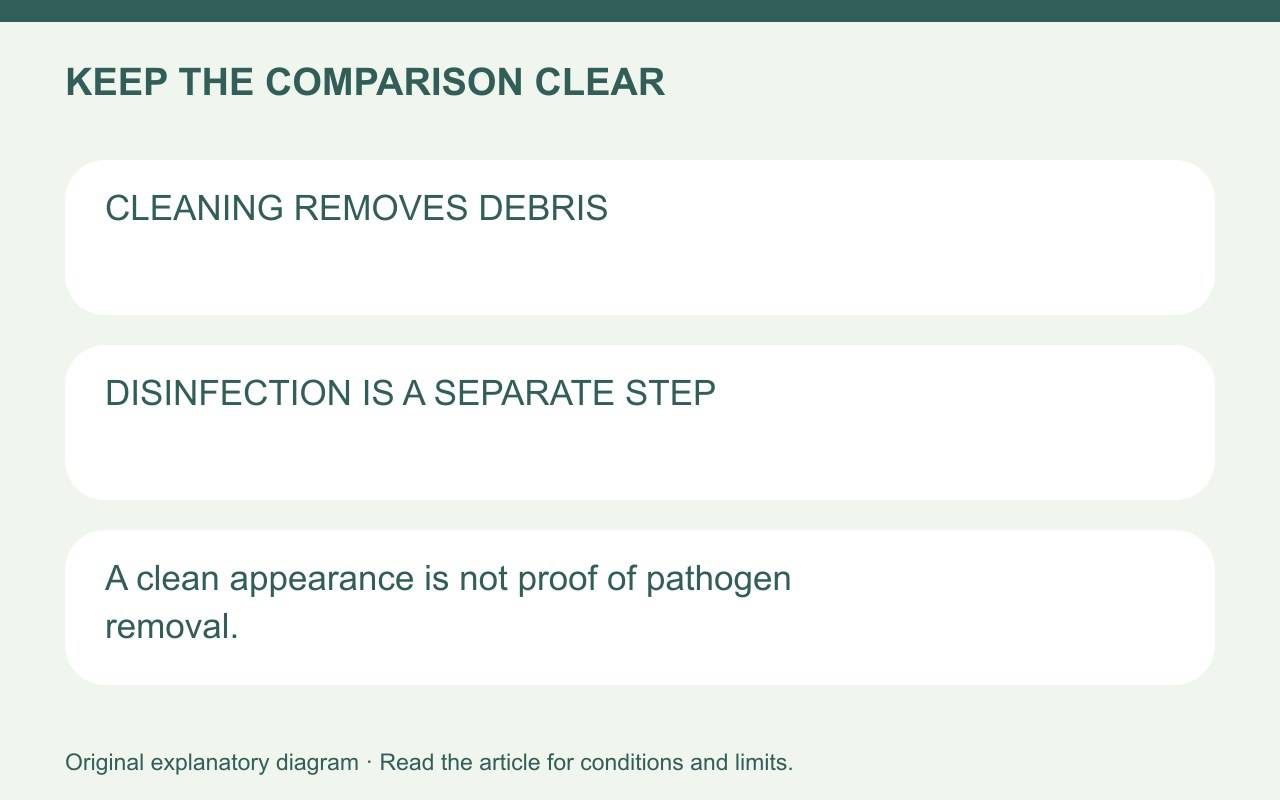
Washing with soap or detergent and water removes grime. Disinfection is a separate process intended to reduce relevant microorganisms after the debris has been removed. Follow the extension guidance and the label of a suitable product, including permitted surfaces, concentration, contact time, protective measures and any rinsing requirements. There is no universal household recipe that fits every chemical and every container.
| Stage | What you are checking |
|---|---|
| Inspection | Is the pot intact and suitable for its next role? |
| Debris removal | Are roots and soil cleared from awkward corners? |
| Washing | Has visible grime been removed and the surface rinsed appropriately? |
| Disinfection, where appropriate | Does the product and method suit the material and intended use? |
| Storage | Will the prepared pot stay separate from dirty equipment? |
Never mix cleaning chemicals. Keep products in their original labelled containers, work with appropriate ventilation and follow the product’s handling instructions. If a material or coating has its own care restrictions, include those in the decision. More concentrated treatment is not automatically better and can create damage or an avoidable hazard.
Give seed-starting containers particular attention
Young seedlings do not need last season’s avoidable problems carried into their new environment. Minnesota’s seed-starting guidance recommends preparing used containers before reuse and considering the growing medium separately. Our indoor seed-starting guide covers the wider setup, including light and the early growing environment.
Prepare a small number of suitable containers at a time. A tray you can clean thoroughly is more useful than a large stack whose hidden corners remain filled with old material. Keep a note of which batch has completed each step so an interrupted afternoon does not leave clean and dirty pots mixed together.
Store the finished pots as prepared equipment
Allow containers to finish the required rinsing and drying process before nesting or storing them. Use a clean location where soil, dirty tools or leaking products will not undo the preparation. If you label a stack, describe what you actually did rather than writing “sterile” as a blanket guarantee.
A practical routine might set aside separate places for incoming used pots, washed pots awaiting the next step and pots ready for use. That arrangement is a workflow example, not a claim that a home workspace can certify pathogen-free equipment. Its value is making the sequence easier to follow and less dependent on memory.
Reusing a pot works best when you assess its condition and prepare it deliberately. Start with the container’s suitability, remove the debris, use the appropriate cleaning and disinfection guidance and protect the finished result until planting time.