Potting Mix vs Garden Soil: What Belongs in a Container?
Container roots need a suitable balance of air and water. Understand what potting mix, garden soil and compost are designed to do before filling a pot.
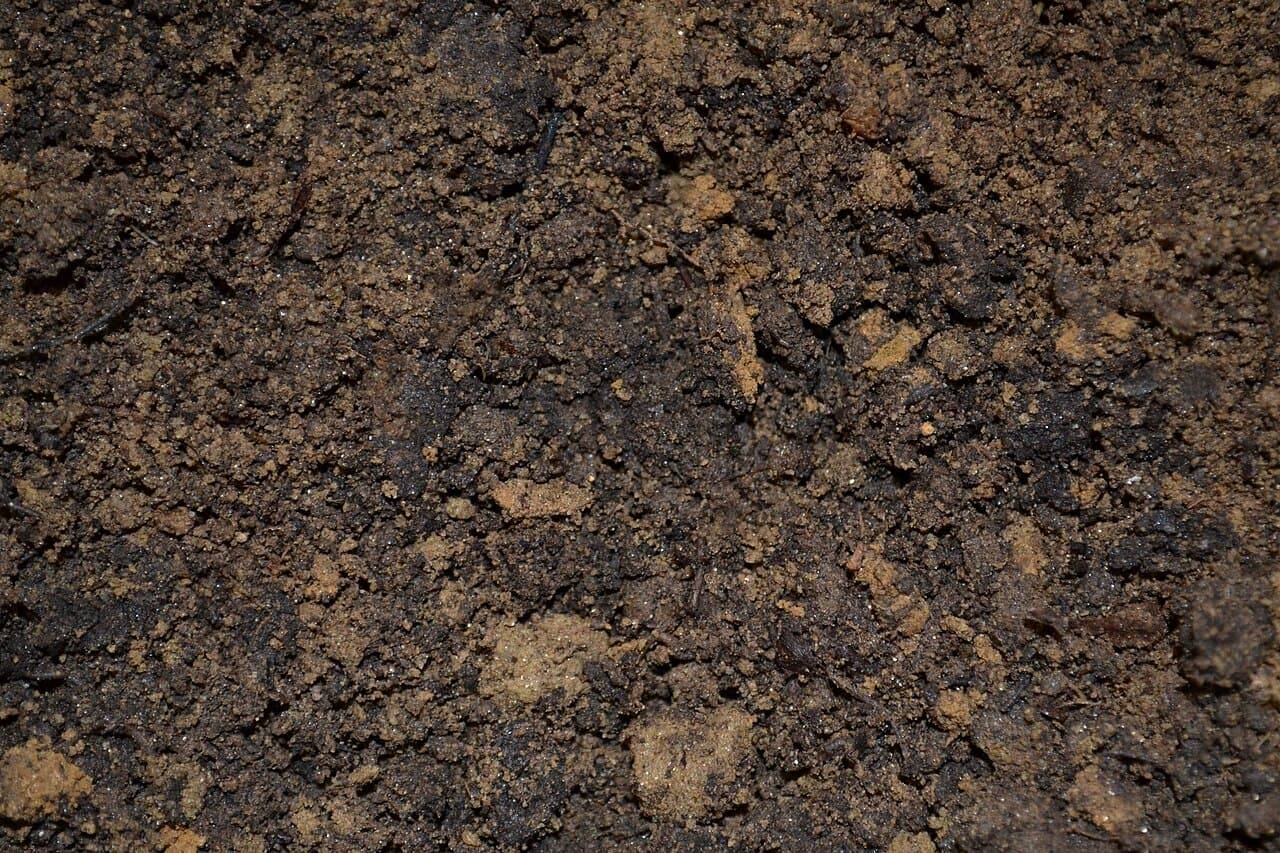
A bag of garden soil and a bag of potting mix may look similar from a distance, but they are intended for different situations. Roots confined to a container depend on the medium inside it for support, moisture and air. Soil that behaves well in an open garden can become dense or drain poorly in a pot. Choosing the medium for the container is therefore a more useful starting point than adding random ingredients after a plant begins to struggle.
Read the intended use on the bag
Product names vary, so check the description and instructions rather than relying on the largest word on the packaging. A product intended to improve a garden bed is not necessarily a complete medium for growing a plant in a container. A seed-starting mix has another purpose again, supporting germination and small seedlings in limited cells.
The term compost can also mean different things in different markets. In some gardening contexts it refers to a formulated potting medium; in others it means a decomposed organic amendment. Read what the product is designed to do. Do not assume that two bags with similar everyday names have the same composition or instructions.
Think about air as well as water
Roots need a suitable environment rather than simply the wettest possible material. A useful container mix balances moisture retention with spaces that allow air and drainage. The exact balance depends on the plant and the growing conditions. A mix chosen for one type of plant may not be appropriate for another with substantially different needs.
Ordinary garden soil alone can behave differently when its natural profile is replaced by a confined pot. Compaction and drainage are important concerns. Adding a small amount of a coarse material to an unsuitable mass does not automatically produce a well-designed mix. Begin with a medium intended for the job, especially while learning container growing.
Match the medium to the plant
Check guidance for the species and the setting. A succulent, a vigorous summer annual and a young seedling can need different handling. The correct product is not necessarily the one advertised as retaining the most water or containing the greatest amount of fertilizer. It should support the plant and the routine you can realistically maintain.
Consider the container material, size and exposure at the same time. A medium in a small porous pot on a windy balcony will not dry in the same way as the same product in a larger indoor container. Our balcony-wind guide shows why the surroundings belong in the decision rather than being treated as a separate issue afterward.
Check what is already included
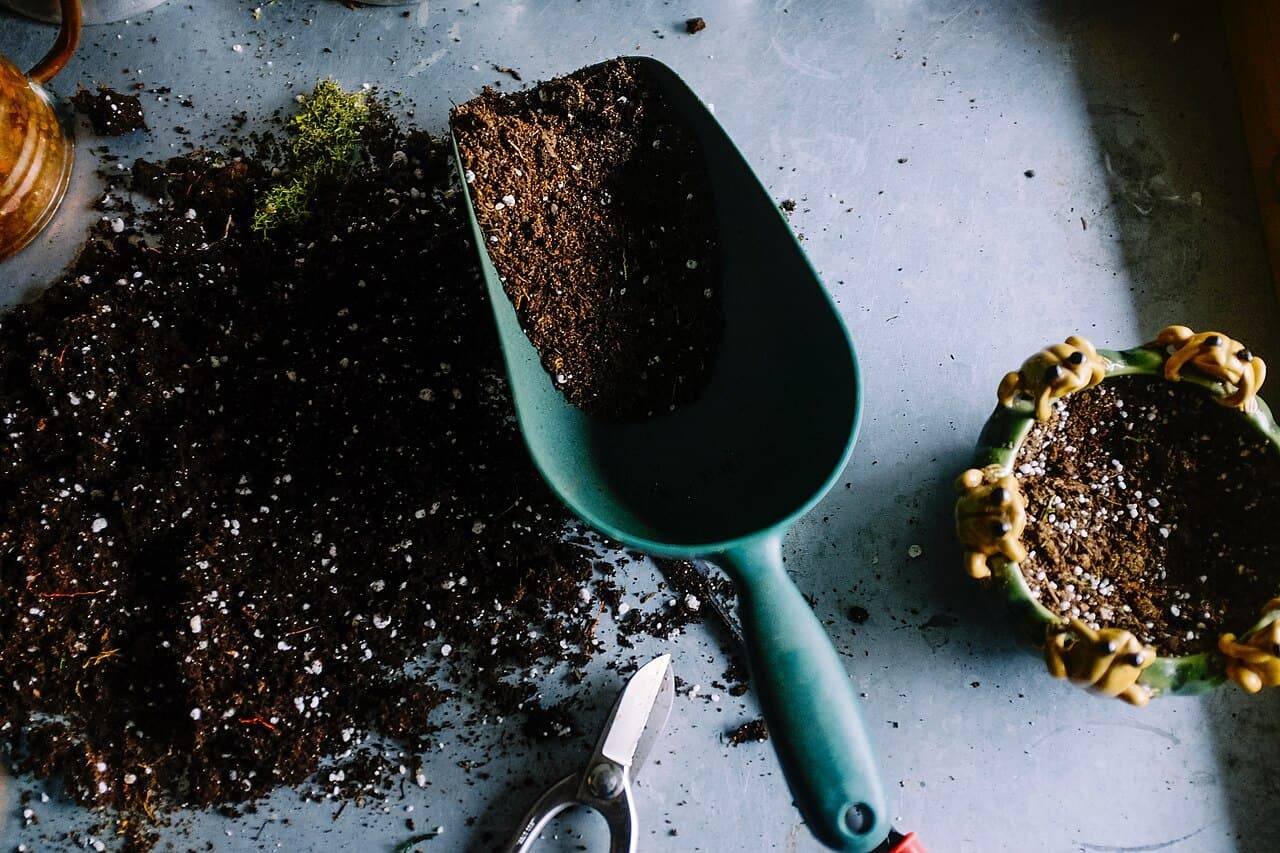
Some mixes contain fertilizer or ingredients intended to change water retention. Read the directions before adding more. Additional feeding should reflect the product and the plant's stage of growth, not a general assumption that every new pot needs several extra treatments. Too many simultaneous changes make it harder to understand what the roots are experiencing.
Avoid choosing solely by how dark or rich a material looks. Appearance is not a complete assessment of its suitability. A heavy bag may contain a different type of material from a lightweight formulated mix, but weight alone is not a reliable quality score either. The intended use and composition are better clues.
Fill the pot without unnecessary compaction
Use clean equipment and a suitable container with effective drainage. Follow the medium's instructions for moistening and handling. Fill around the roots gently, supporting the plant at the appropriate depth rather than pressing the material into a hard block. Leave sensible watering space below the rim.
A deep layer of rocks at the bottom does not turn an unsuitable medium into a good one. Our drainage guide explains why that common shortcut is misleading. A functioning container depends on the mix, root space, outlets and watering routine working together.
Reusing old mix requires judgment
Used material may have changed through root growth, decomposition, nutrient use or the history of the plant. Do not assume it is identical to a new bag because it still occupies the same pot. Conversely, not every container must be treated in exactly the same way at the end of a season. The crop, plant health and intended next use matter.
Be particularly cautious about reusing material from a plant with a known pest or disease problem without appropriate guidance. A new seedling should not inherit an avoidable problem simply because the old container looked convenient. When uncertain, use reliable advice that addresses the specific situation rather than mixing old material into every new pot automatically.
Notice how the finished container behaves
After planting, observe how water enters and leaves, how quickly the medium dries and how the plant grows. If water runs down a gap around a dry root ball, the issue is different from a pot that remains saturated. Diagnose the behavior before changing the mixture again.
A suitable potting medium is part of a complete growing setup. Read the intended use, match it to the plant and container, and keep the roots' need for both water and air in view. That makes a more dependable starting point than treating garden soil, compost and potting mix as interchangeable materials.