Do Plant Pots Need Rocks at the Bottom? Drainage Explained
A gravel layer does not replace a drainage hole. Understand how potting mix, container size and watering work together to keep roots healthy.
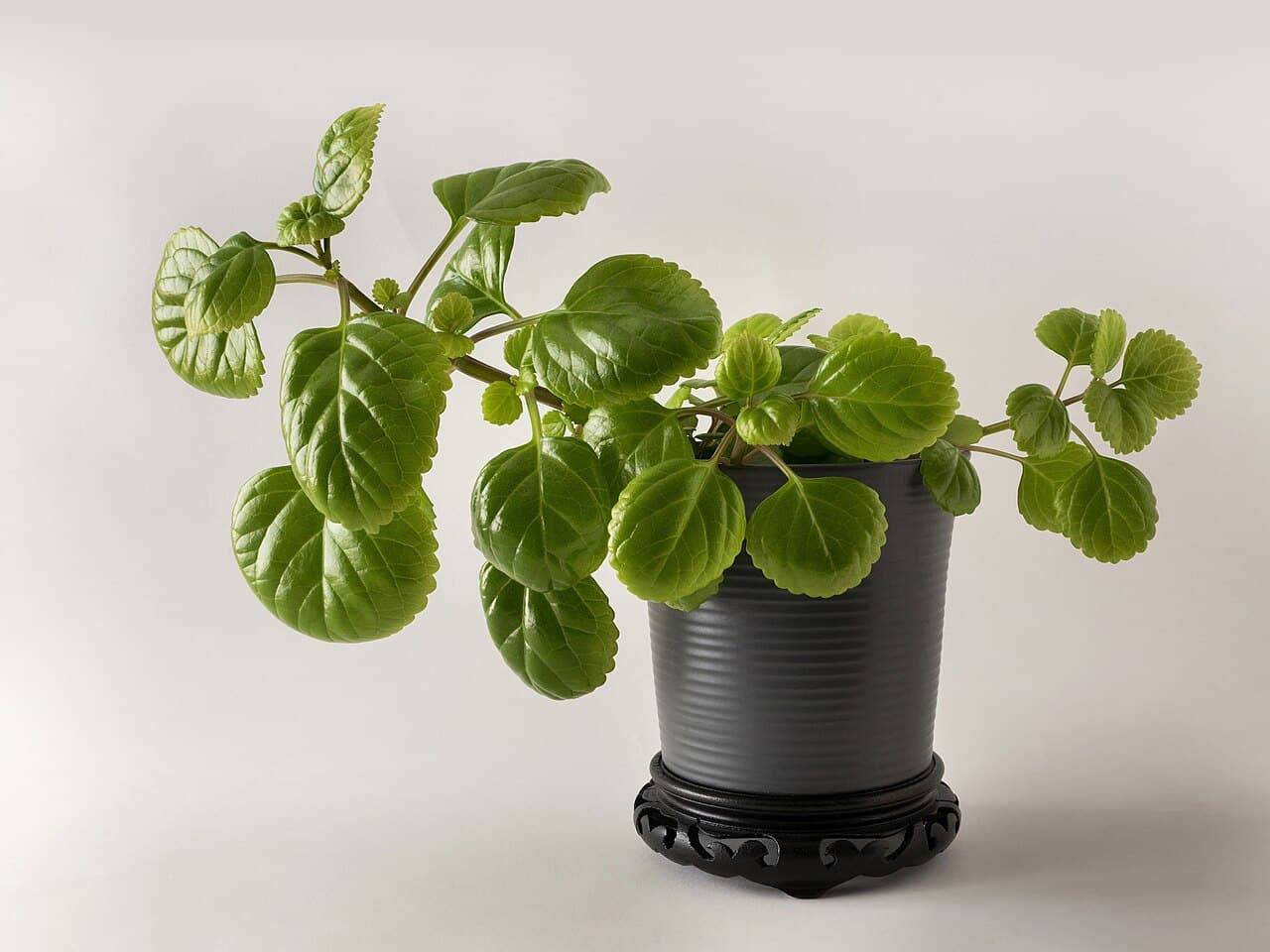
Most ordinary container plants do not need a layer of rocks beneath their potting mix. They need an appropriate growing medium, a suitable pot and a way for excess water to leave. A gravel layer is an appealing idea because the spaces between stones look as though they should move water away from roots. In practice, the change between fine potting material and coarse stones does not create the simple drainage system many gardeners imagine.
Why the gravel shortcut is misleading
Water behaves differently in fine growing material than it does in a layer of large stones. It can collect in the finer material above that boundary instead of immediately dropping through the spaces below. Illinois Extension describes this as water perching above the gravel. The result is that the layer can reduce the depth available for roots without solving excessive wetness around them.
That does not mean stones have no use anywhere in gardening. Decorative top dressing, aquatic planting and specialized growing systems are different applications. The point is narrower: placing a coarse layer inside the bottom of a conventional planted pot is not a substitute for an appropriate medium and effective drainage.
Start by checking the container
Look for drainage holes before filling the pot. A decorative outer container may have none, while a nursery pot inside it provides the actual growing space. That arrangement can work when the inner pot drains freely and is not left standing in collected water. Check the space between the two instead of assuming the visible outer pot tells you what is happening at root level.
If a container cannot drain, choose another approach rather than relying on a hidden rock reservoir. Where drilling is appropriate, use a safe method suited to the material and the container's instructions. A fragile or valuable decorative vessel may be better used as an outer cover for a separate planted pot.
Choose a mix for the plant and setting
Ordinary garden soil behaves differently when confined in a container. A suitable potting mix is designed to balance air, water and root support in that limited space. The right product depends on the plant, the pot and the conditions. A cactus, a moisture-loving houseplant and a summer vegetable container do not all need precisely the same mixture.
Read the product description before adding extra ingredients. A bag may already contain materials that change drainage, water retention or nutrient supply. Adding more because a tip online recommends it can make the final mixture less predictable. Our guide to potting mix and garden soil explains that choice in more detail.
Pot size is part of the drainage question
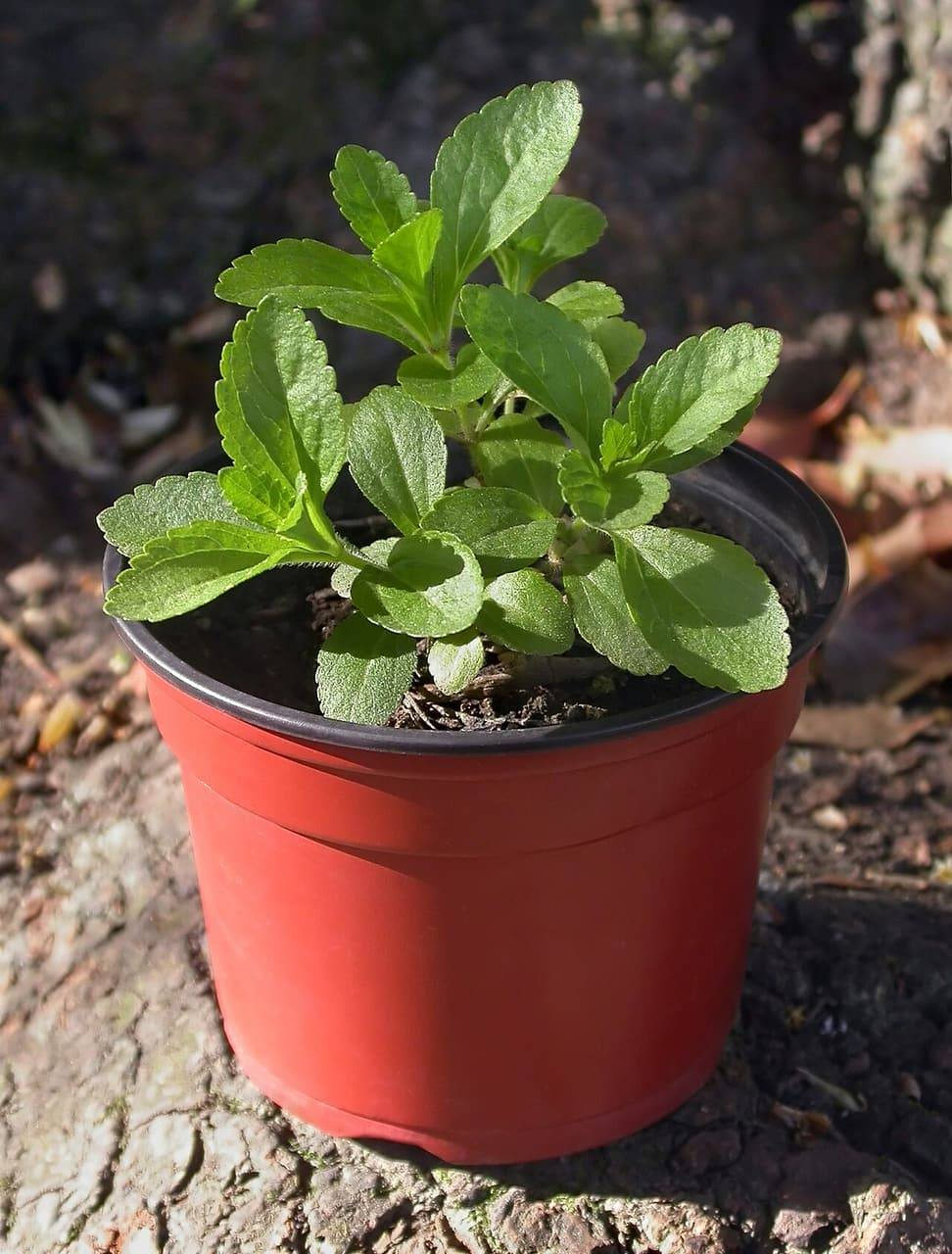
A very large pot around a small root system can contain more wet material than the plant uses quickly. That is one reason moving a houseplant into the biggest available container is not automatically helpful. Equally, a root-filled small pot can dry rapidly and need attention more often. Size should support the plant's stage of growth and the intended use.
When repotting, inspect the roots and follow guidance for that plant. Do not bury a plant more deeply simply because the new pot is taller. Keep enough space at the top to water without immediately overflowing the rim, while preserving the planting depth the species needs.
Let water leave the whole system
A drainage hole is useful only if water can pass through it and move away. Check that the pot is not pressed against a surface that blocks the outlet. Empty a saucer or decorative cover when it has collected excess water, unless you are deliberately using a growing system designed for a reservoir. Ordinary standing water around the pot base is not the same thing as a correctly managed self-watering container.
Water according to the plant and the condition of the mix. A dry-looking surface does not always describe the moisture lower down. Learn the feel and weight of the pot and inspect it regularly. Watering containers without guessing is a more useful skill than trying to make one construction detail compensate for every watering decision.
What if soil washes out of a hole?
A little material leaving a new pot does not mean the bottom needs to be filled with stones. Check whether the opening is unusually large and whether the mix is appropriate. Where a lightweight barrier is used, it should allow water through rather than seal the outlet. Avoid packing a hole with something that turns a drainage opening into a plug.
Keep the distinction between protecting the opening and adding a deep drainage layer clear. A small piece of suitable mesh serves a different purpose from several inches of gravel. Choose the simplest arrangement that keeps the medium in place while allowing water to escape.
Diagnose the plant rather than the pot alone
Yellowing, wilting or poor growth can have several causes. A soggy container is useful evidence, but it is not a complete diagnosis. Check light, watering history, roots and the plant's requirements before making a drastic change. Repeatedly repotting or adding products without identifying the problem can create more stress.
For a conventional container, the practical starting point is straightforward: use the right mix, choose a sensible pot size, keep drainage outlets effective and manage collected water. Rocks at the bottom should not be asked to do those jobs for you.