How to Water Container Plants Without Guessing
Learn to read pot weight, moisture and weather before watering. A useful container routine accounts for drainage, plant size and changing conditions.
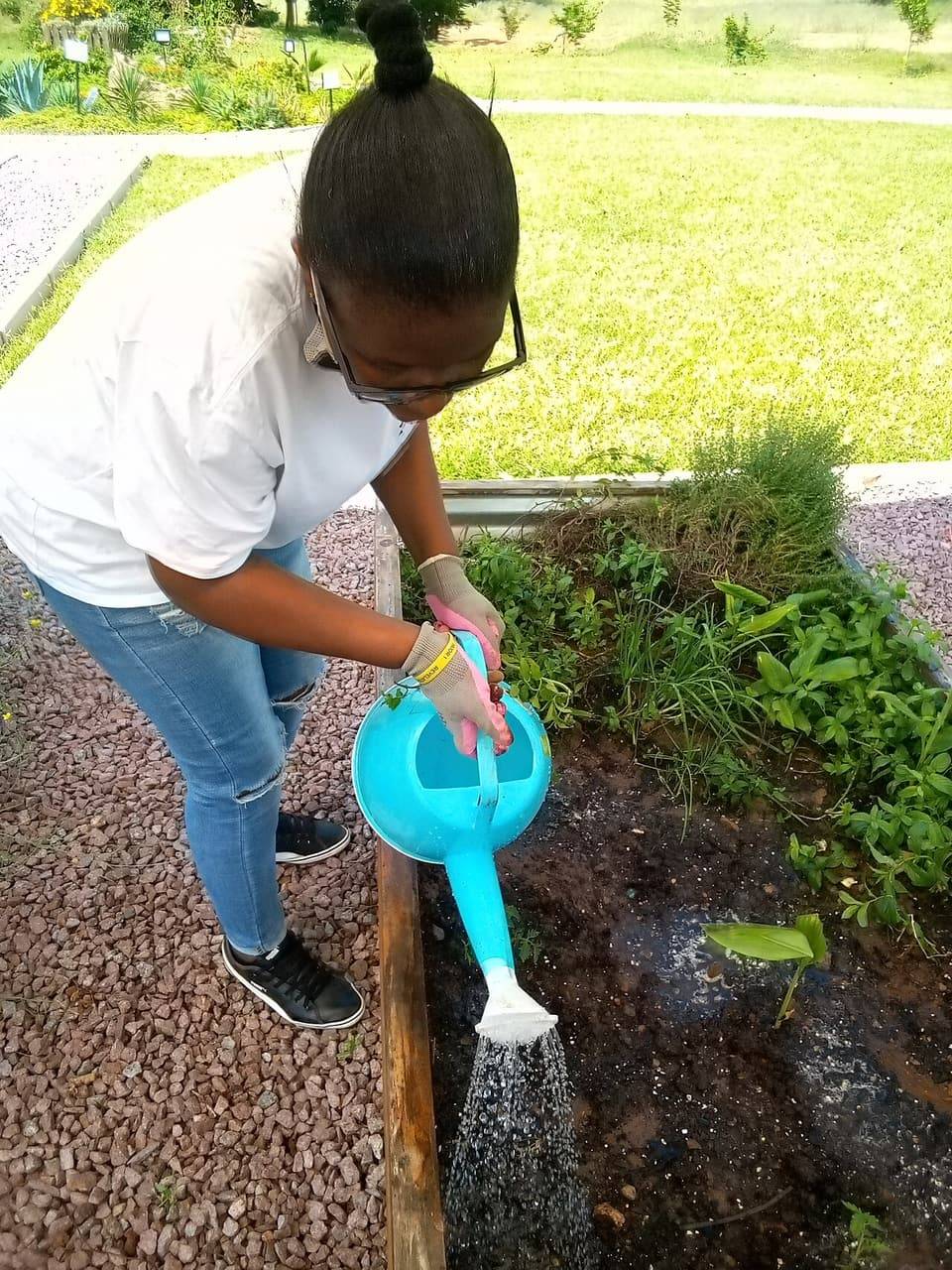
A container does not use the same amount of water every day. Heat, wind, light, plant growth and the pot itself all change the pace at which the mix dries. A fixed watering schedule can therefore alternate between too much and too little as conditions shift. A better routine begins with checking the root environment, then watering in a way that moistens it effectively and lets excess water escape.
Learn what the pot feels like
Notice the weight of a manageable pot after it has been watered and allowed to drain, then compare it as the mix dries. That difference can become a useful clue alongside checking the medium. Do not lift an awkward or heavy container unsafely just to perform a watering test. For larger pots, inspect accessible growing material and the drainage arrangement instead.
Look below the very surface where appropriate. A thin top layer can dry while the material beneath remains wet. The useful checking depth depends on the plant and container, so combine the observation with species-specific guidance. A moisture meter can be another tool, but it should not replace learning how the setup behaves.
Separate a thirsty plant from a wet-root problem
Wilting is a reason to investigate, not an automatic instruction to add water. A dry root zone and a root system struggling in saturated material can both leave a plant looking unhappy. Check the pot before deciding. Repeatedly watering a container that stays wet can make the original problem worse.
Consider recent changes too. A plant moved into a brighter or windier position may lose water faster, while one moved indoors can use it more slowly. If leaves change after repotting, inspect the new medium, container size and drainage. A clear history is more useful than treating every symptom as an isolated event.
Water the growing medium thoroughly when needed
Apply water gently enough that it reaches the mix rather than washing it out of the pot. For many ordinary containers, water until the root zone is moistened and some excess can drain. A small daily splash may wet only the top while the lower material remains dry. Check the result rather than assuming that any water appearing at the bottom proves the entire root ball is evenly moistened.
Very dry mixes can pull away from the pot sides, allowing water to run down a gap. If that happens, use a suitable rewetting method for the plant and medium rather than pouring faster. Slow applications or an appropriate temporary soaking method may be needed. Follow growing guidance and allow the pot to drain afterward.
Keep drainage and collection trays in view
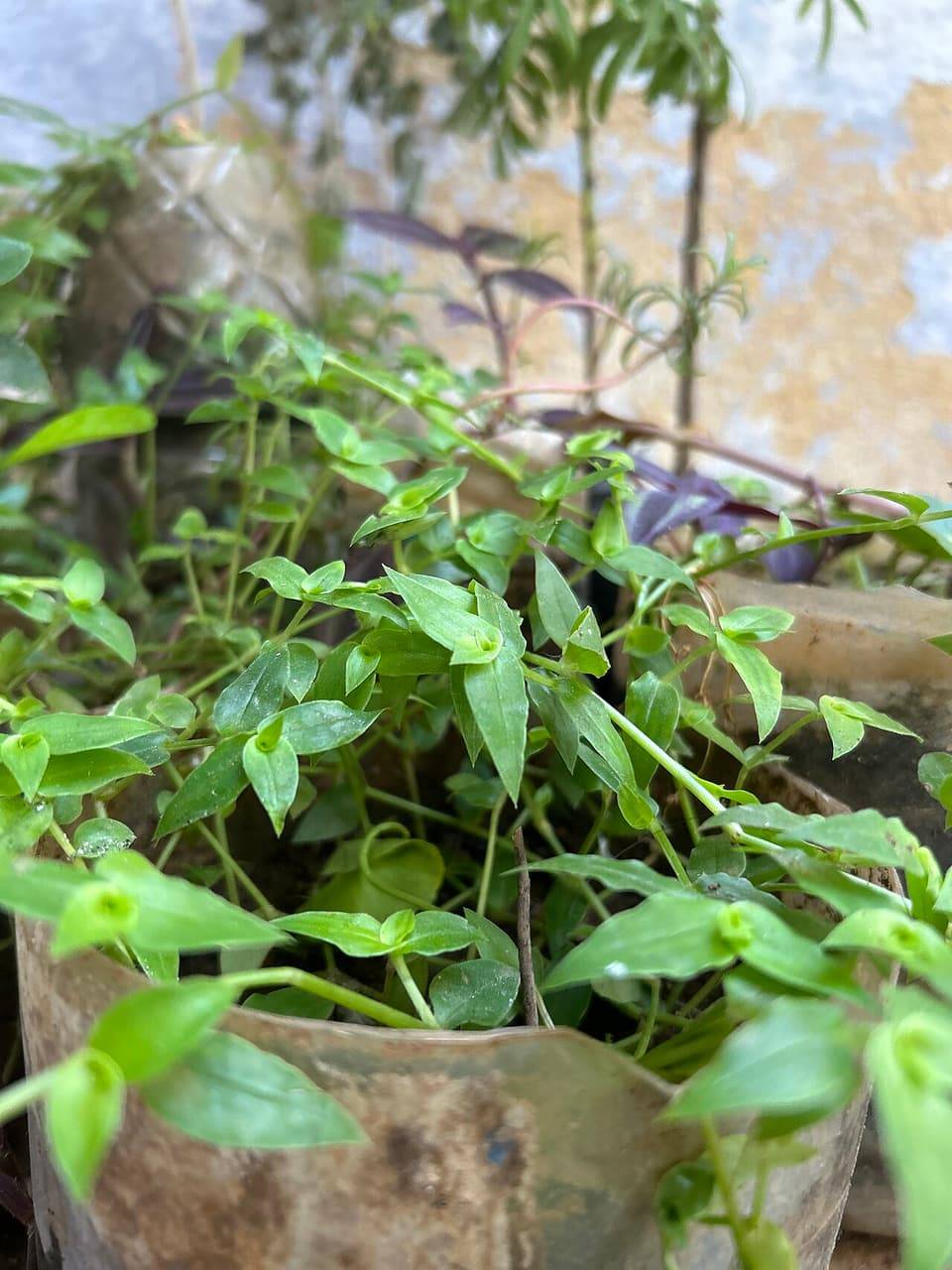
Check that drainage openings are effective and that the pot is not left standing in collected water. A decorative outer container can conceal the problem, so inspect inside it after watering. Self-watering containers are a separate system with their own design and instructions; their reservoir should not be confused with accidental standing water around an ordinary nursery pot.
A gravel layer inside the planted pot is not a general drainage solution. Our guide to rocks at the bottom of pots explains why the construction of the container and the properties of the mix matter more. Watering decisions work best when those basic conditions are suitable from the start.
Adjust checks to weather and season
An outdoor summer container can need frequent attention, especially in hot or windy conditions. A sheltered indoor plant in a darker season may dry much more slowly. Increase the frequency of checking when conditions become demanding, rather than automatically increasing the amount of water at every visit. The plant should determine what happens after the check.
Rain does not always water a container evenly. Leaves or a roof overhang may intercept it, and a brief shower may barely reach the growing medium. Conversely, repeated heavy rain can leave a poorly draining pot saturated. Look at the container's actual position instead of relying only on the weather report.
Think about the plant and the pot together
A small root system in a large volume of mix can remain wet for longer than expected. A plant that has filled a small container with roots may dry quickly and need repotting or a different management plan. Material also matters: porous and nonporous containers can behave differently. None of these clues establishes one universal interval for every plant.
Plants sharing one container should have compatible requirements. A moisture-loving plant and one that prefers a substantially drier root environment can be difficult to satisfy together. Attractive arrangements still need a workable watering plan. If the plants repeatedly pull the routine in opposite directions, separate containers may be the simpler solution.
Keep a short record while you learn
For a new container, note where it sits, when you watered and what the mix felt like before doing so. A few observations can reveal a pattern without turning gardening into a complicated diary. Use that pattern as a starting point, then reassess when the plant grows or the weather changes.
The aim is a responsive habit: inspect, decide, water effectively when needed and check drainage. Once you understand how the container uses water, the routine becomes simpler than following a rigid rule and trying to repair the consequences.