How to Remove Damaged Houseplant Leaves Carefully
Distinguish an old damaged leaf from an ongoing problem, use clean tools and preserve healthy growth when tidying a houseplant.
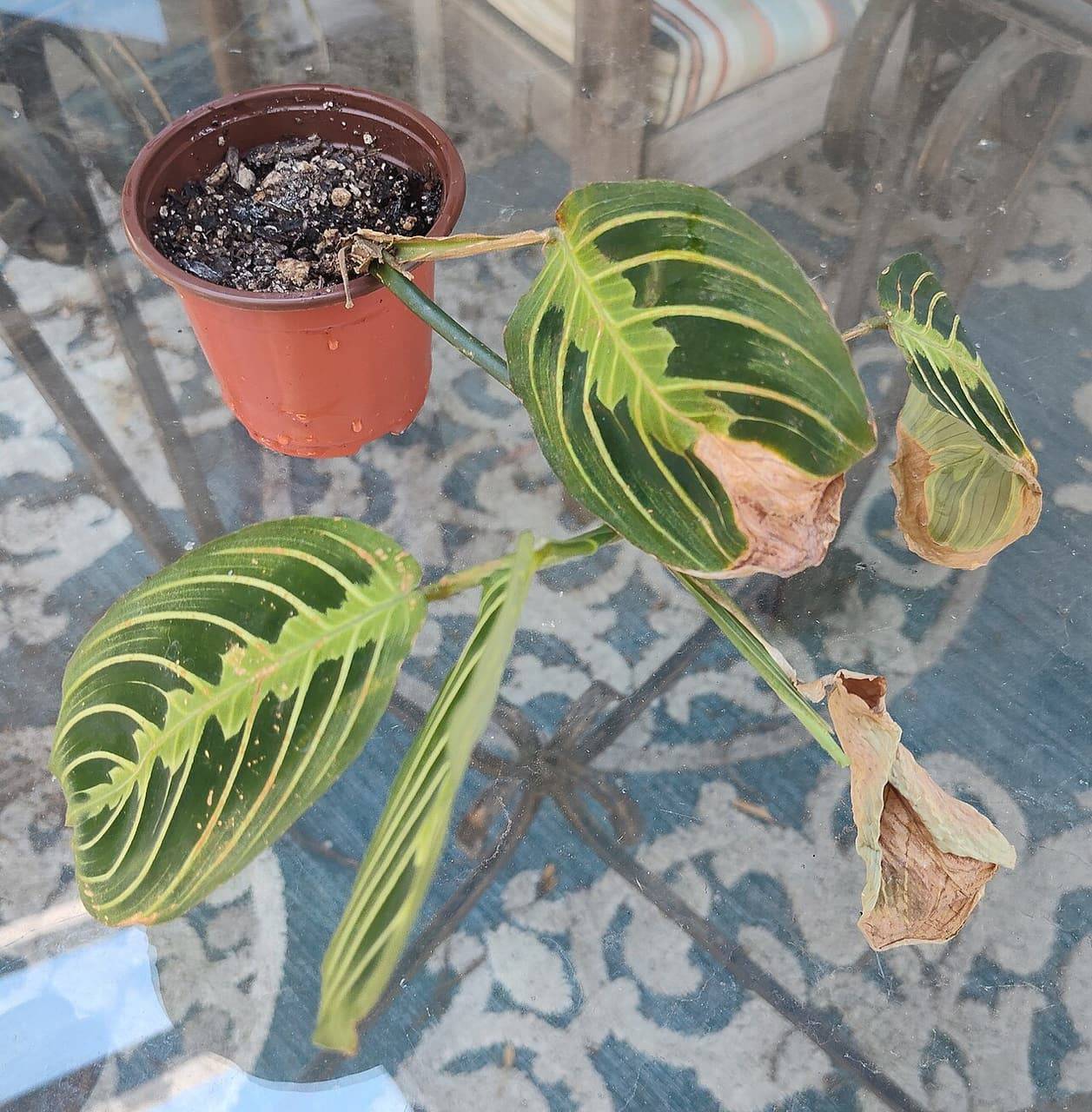
A damaged houseplant leaf does not always need immediate removal, and cutting it off does not identify what caused the damage. Begin by asking whether the leaf is old, physically injured or part of an ongoing pattern. Then tidy only what needs attention while preserving healthy growth. A careful inspection and a clean cut are more useful than repeatedly trimming a plant until it looks temporarily perfect.
Look at the pattern before picking up scissors
One old lower leaf turning yellow is a different observation from many new leaves changing at once. Notice which parts are affected, whether the damage is spreading and what has changed recently. A move to a brighter window, a cold draft, a new watering routine or repotting can all be relevant to the history.
Take a clear photograph before removing substantial material if you may need help identifying the problem. Include the whole plant, the pot and a close view of the affected area. A picture of a detached brown tip alone gives much less context. Avoid deciding on a fertilizer, pesticide or major root treatment before you have a plausible explanation.
Distinguish damage from a leaf's normal structure
Some plants naturally have holes, patterned color, dry protective coverings or older parts that should not be confused with disease. Identify the plant and learn its normal growth before treating every unusual feature as something to remove. New growth can also look different from mature leaves.
A torn or browned area will not turn back into an undamaged green surface. The question is whether enough healthy leaf remains to contribute to the plant and whether the damage is still developing. Appearance matters to the owner, but it should be balanced against keeping useful foliage while the plant recovers.
Use clean, suitable tools
For a precise cut, use sharp scissors or an appropriate small pruning tool that can be cleaned according to reliable guidance. Dull blades can crush or tear tissue. Keep tools and the work surface clean, and deal appropriately with any suspected disease before moving the same equipment between plants.
Protect yourself from spines, sharp edges or irritating sap where the species requires it. Do not assume that all houseplants can be handled in exactly the same way. Identify the plant and check its care information before working closely around sensitive growth points or parts that may irritate skin.
Remove a fully dead leaf without tearing the plant
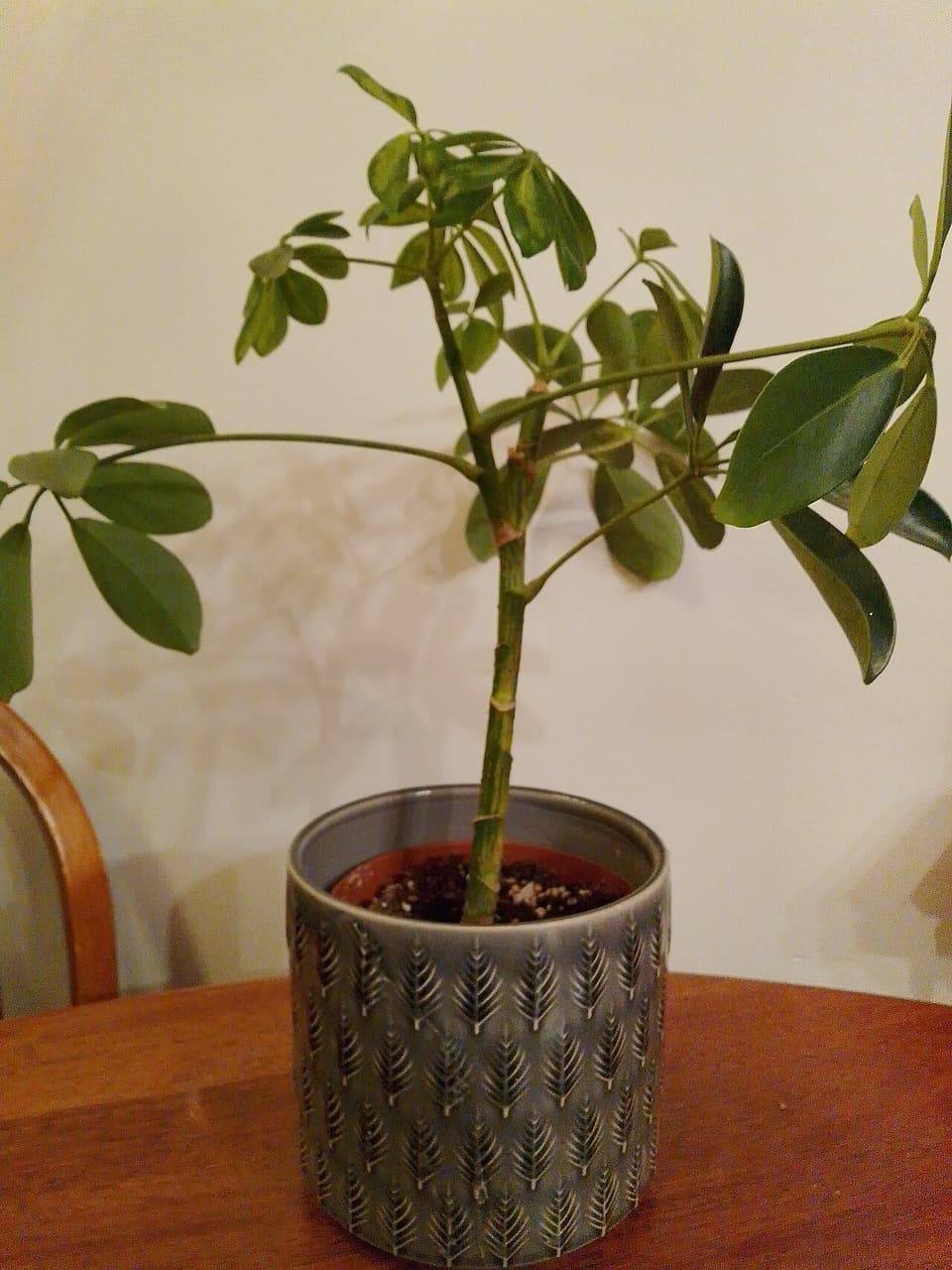
Follow the plant's structure to see where the leaf attaches. Where removal is appropriate, make a careful cut rather than pulling hard enough to damage the stem or neighboring growth. Avoid cutting into a crown, bud or growing point simply to remove a small piece of dry material.
For a partly damaged leaf, a light tidy may be possible, but do not remove a large amount of healthy tissue to create an artificially perfect outline. Some owners prefer to leave a sound but scarred leaf until new growth replaces it. That can be a reasonable choice when the damage is stable and there is no disease-management reason to remove it.
Do not strip the plant to solve a care problem
Removing every imperfect leaf can leave a stressed plant with little healthy foliage. Work conservatively and reassess after the immediate tidy. If damage is extensive, the priority is understanding and correcting the conditions, not making the remaining plant look symmetrical.
When disease is suspected, follow guidance for the actual diagnosis. Recommendations for removing affected leaves are not identical for every pathogen or species. A general tidying article should not be used as a substitute for identifying a spreading problem. Local horticultural support can be useful when the pattern is unclear.
Check water, light and the root environment
Look at the growing medium and drainage before changing the watering routine. A wet pot and a dry pot can both be associated with unhappy foliage for different reasons. Our watering guide explains why checking the root environment is more dependable than automatically adding water whenever leaves look poor.
Consider light and temperature changes too. A plant moved abruptly into stronger sun can respond differently from one that has grown there gradually. A pot close to a cold window or heater may experience conditions unlike the rest of the room. The purpose of the inspection is to find a specific explanation rather than collect a list of possible problems indefinitely.
Watch the next growth instead of expecting old scars to vanish
After adjusting a clear care issue, observe new leaves and the progression of existing damage. Keep the changes limited enough that you can understand the response. Simultaneously repotting, moving, heavily pruning and changing every product makes it difficult to know what helped or caused additional stress.
Remove fallen debris and keep a useful routine of inspection. Healthy new growth is often a better sign of progress than a perfectly trimmed old leaf. Houseplant care becomes easier when tidying supports the plant rather than replacing the work of understanding its conditions.