How to Grow Basil in a Pot: Light, Water and Harvesting
Give potted basil enough warmth and light, water by the condition of the mix and harvest above a leaf pair to encourage useful growth.
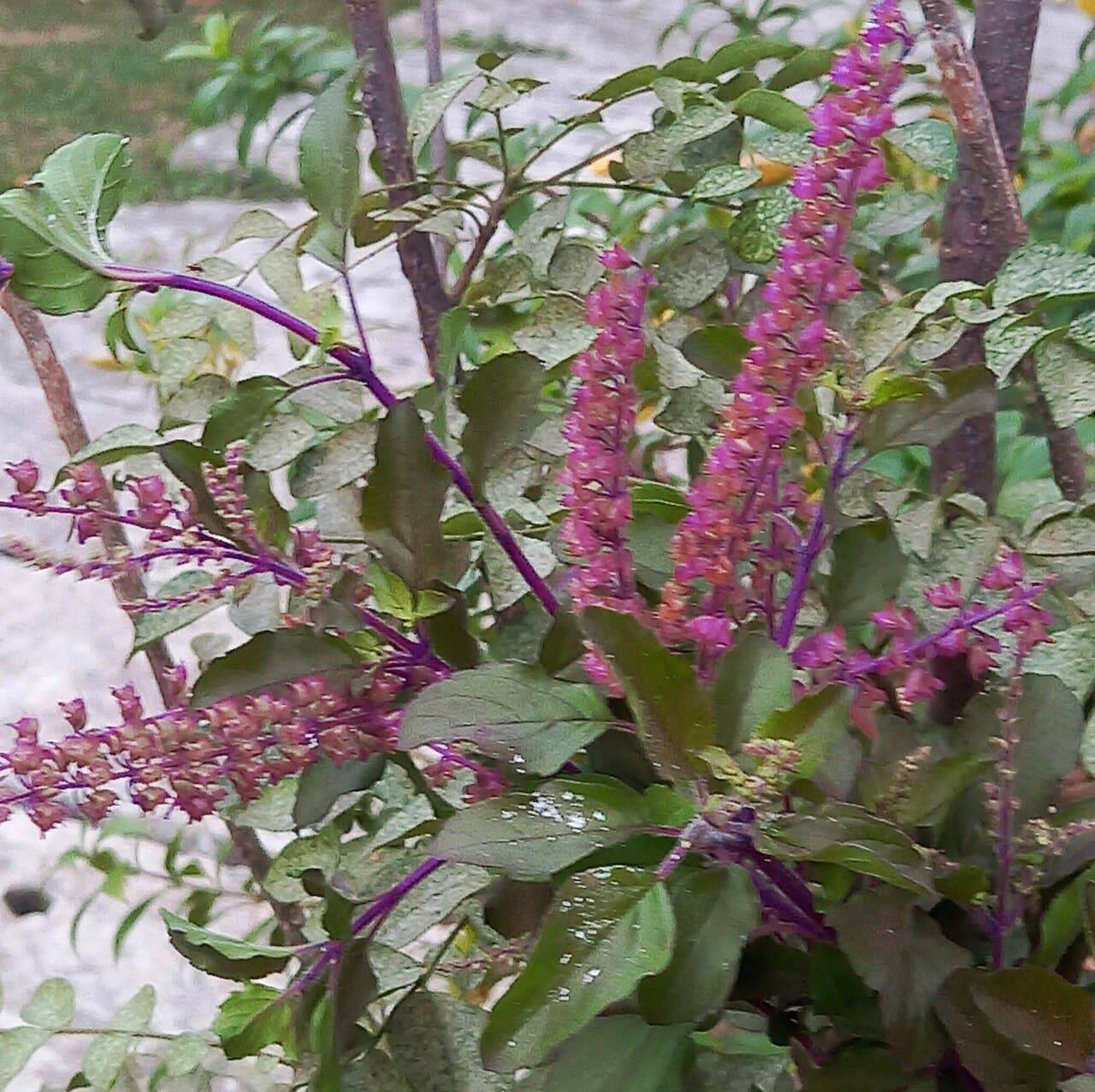
A pot of basil becomes useful when it grows steadily enough that you can take a few leaves without stripping the plant. The main ingredients are warmth, suitable light, a container that drains and a watering routine based on observation. A supermarket herb crowded into a tiny pot may need different attention from a single established plant. Start by looking at what you have, rather than following a fixed daily instruction that ignores the plant and its setting.
Find a bright, suitable location
Basil is a warm-season herb. Outdoors, place it where it receives appropriate sunlight and is protected from cold conditions. Many culinary herbs perform best with substantial direct sun, but a plant moved from an indoor shelf should not be pushed abruptly into a harsh exposed location. Introduce a change in conditions gradually and watch how the leaves respond.
Indoors, a window that seems bright to you may not provide enough light for compact growth. Long, weak stems leaning toward the glass are a reason to reassess the position. If you use a growing light, follow the equipment's guidance for distance and operation; advice written for a different type of lamp may not transfer directly.
Check how many plants are in the pot
A dense purchased basil pot may contain many seedlings growing close together. That can look generous at first while leaving little space for each plant's roots. Examine the pot and growing medium before assuming that every drooping leaf means the same problem. Crowding, lack of water, cold and poor light can produce different stresses that need different responses.
If you divide or repot a crowded plant, handle the roots gently and use suitable containers and mix. Do not expect a heavily disturbed plant to look perfect immediately afterward. Give it appropriate conditions and allow it to establish before taking a large harvest. Smaller, manageable changes are often more sensible than removing most roots and leaves in one session.
Use a draining container and a suitable mix
Choose a pot with effective drainage holes and a medium intended for container growing. The mix should hold usable moisture without leaving the root area constantly waterlogged. A decorative cover is fine if you check it for collected water after watering. Let the inner pot drain rather than leaving its base submerged.
Avoid filling the bottom with a thick gravel layer in the hope that it will solve drainage. That reduces usable growing depth and does not replace a drainage outlet. If you are choosing a container from scratch, consider its size, weight and where excess water will go before you plant.
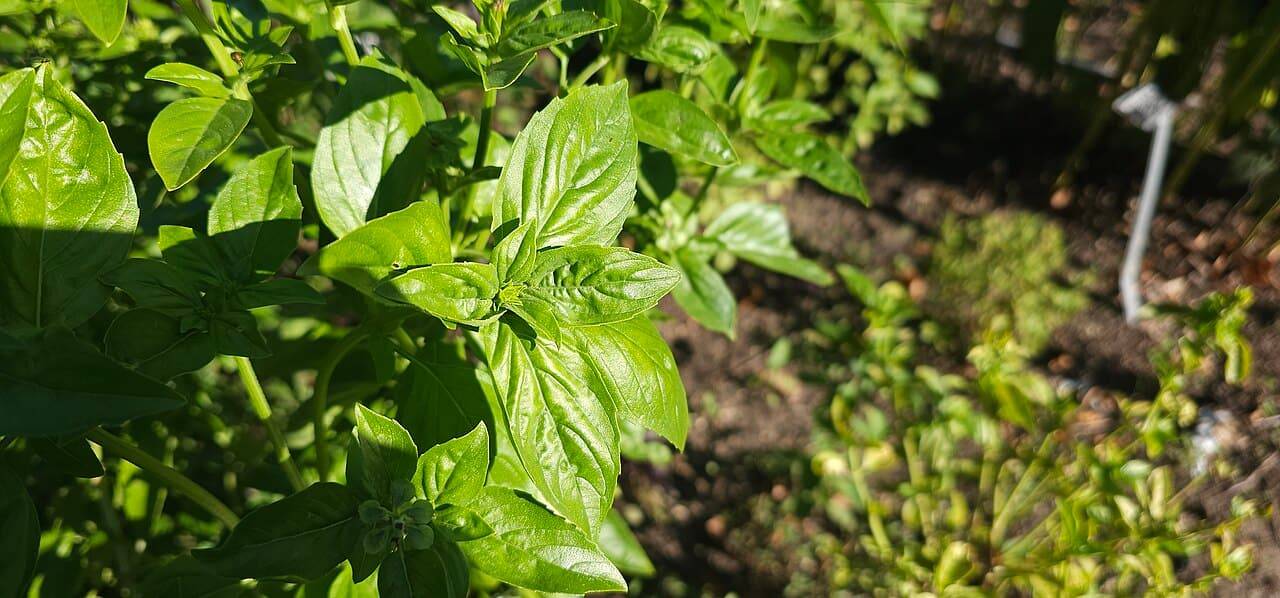
Water by checking, not by the calendar
Inspect the mix and the weight of the pot regularly. Warm, windy weather and active growth can increase water use, while cooler or darker conditions may reduce it. Water thoroughly when needed so the root zone is moistened, then allow excess to drain. A repeated tiny splash on the surface can leave the lower roots dry even when the top looks damp.
At the same time, do not keep watering a pot that remains wet because the leaves look unhappy. Check the conditions first. A watering routine should respond to the plant and the medium, not simply repeat yesterday's amount. Our container-watering guide explains several observations that make the decision clearer.
Harvest in a way that leaves growth behind
Once basil is established, take useful stem tips above a pair of leaves rather than pulling off every large leaf at the base. Leave enough healthy foliage for the plant to continue growing. A modest, regular harvest is easier to sustain than removing almost the entire canopy because one recipe calls for a large amount.
Use clean scissors or another appropriate cutting tool and avoid tearing the stem. Look at the plant before deciding where to cut: you want to preserve a balanced structure rather than leave one long bare stem beside a crowded clump. If the plant is small or recovering from stress, give it time before taking another substantial harvest.
Watch flowers and changing conditions
Flowering changes how you may want to use and manage the plant. If your main goal is tender leaves, remove developing flower tips as appropriate and continue observing the plant's vigor. Do not expect one pruning action to overcome an unsuitable location or a root system that has outgrown its container.
As the season changes, reassess the whole setup. A pot that was comfortable in mild weather may dry very quickly during a hot period. A plant grown outdoors will need a suitable plan before cold conditions arrive. Use local conditions and a reliable growing guide rather than a universal month-by-month calendar.
Turn small harvests into meals
Pick only what you need shortly before cooking when practical. A few leaves can finish tomatoes, a soup or a sandwich without requiring enough basil for a large batch of pesto. If you do harvest more, use a reliable storage or preservation method rather than letting the leaves wilt on the worktop.
A productive basil pot is a small system you learn over time. Notice light, moisture, root space and the response to harvesting. Those observations make the plant more dependable than any promise that a particular watering interval or decorative pot will work in every home.