How to Grow Lettuce in Containers for Repeated Harvests
Choose loose-leaf lettuce, give the roots space and harvest leaves without stripping the center. A practical approach to repeat container harvests.
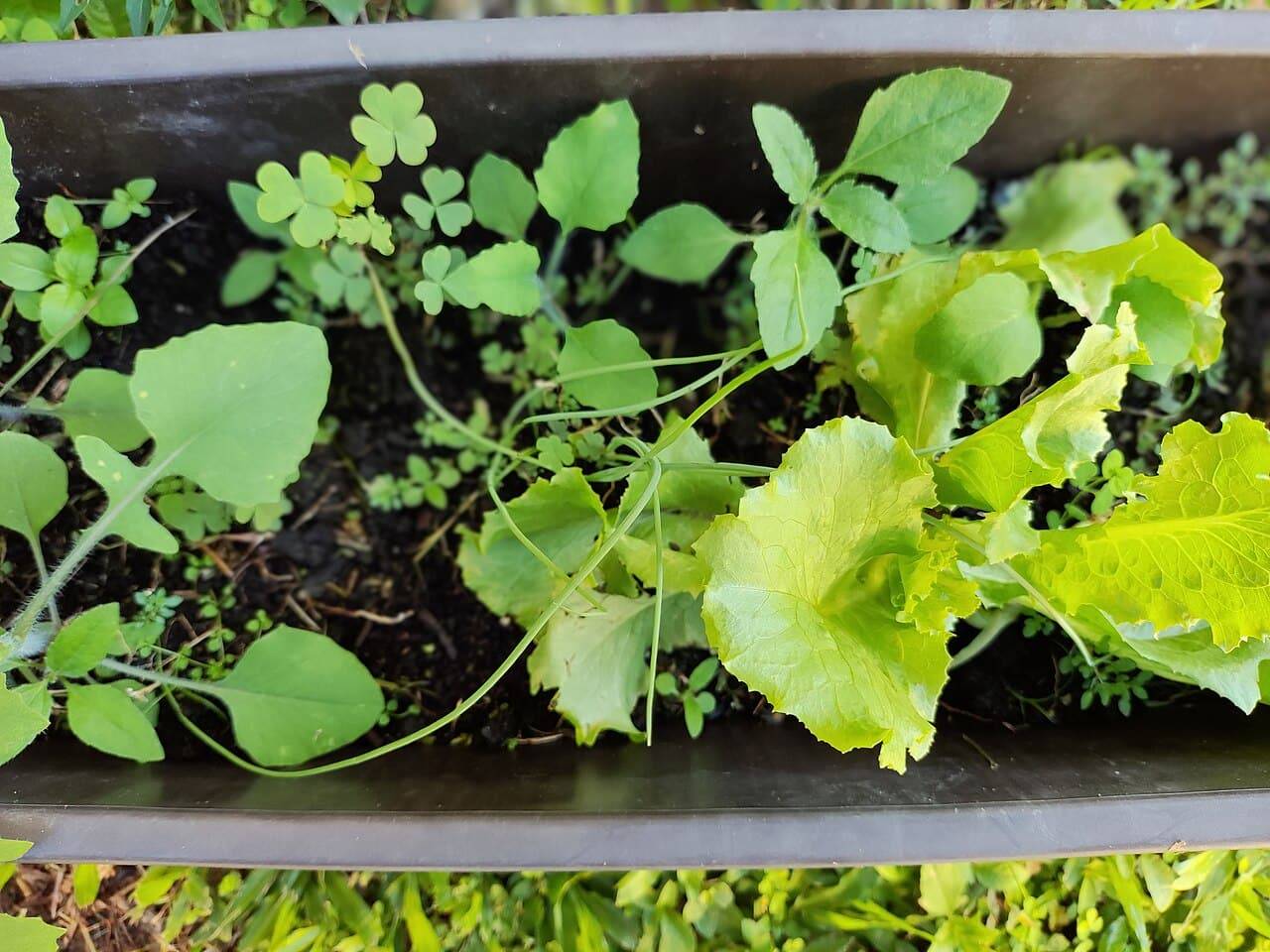
Loose-leaf lettuce can be a satisfying container crop because you can harvest a small quantity without waiting for a large, tight head. Repeated picking works when the plant keeps enough healthy leaves and its center remains able to grow. It is not an endless supply from a plant that can be stripped bare every few days. Choose a suitable variety, grow it in conditions that favor tender leaves, and harvest according to the plant's response.
Choose a leaf type for the way you want to harvest
Lettuce comes in several forms, including loose-leaf, butterhead, romaine and crisphead. If your aim is to take a few leaves at a time, loose-leaf varieties are an accessible starting point. Read the seed packet for the expected size, growth period and recommended harvest method. A variety intended to produce a dense head is a different project from a pot of small leaves for a sandwich.
Choose a manageable amount. One container can teach you about the crop without creating more lettuce than you can use at once. If you want a steadier supply, small successive sowings may be more practical than one large tray planted on a single day.
Plan for cool growing conditions
Lettuce is generally a cool-season crop. Heat and other seasonal conditions can encourage bolting, when the plant sends up a flowering stem and leaf quality changes. The useful planting window therefore depends on your climate. A calendar written for a cool northern region should not be copied unchanged into a warm location.
Observe the container's own environment as well. A sun-facing paved corner can be hotter than the surrounding air suggests, while a sheltered spot may behave differently. Use a locally appropriate growing guide and check whether the chosen variety suits the season. Shade can be part of a plan in some settings, but it is not a universal cure for planting the wrong crop at the wrong time.
Give the plants enough root space
Use a container with effective drainage and a suitable potting medium. Follow the variety's spacing guidance instead of leaving every germinated seedling in a dense clump. University of Minnesota guidance distinguishes baby-leaf spacing from the greater room needed for full-size plants; the intended harvest stage changes the arrangement.
Thin gently and label the variety and sowing date. Crowding can make it difficult to water evenly and inspect the leaves. A container that looks slightly sparse at the beginning may become much more practical as the plants grow. Our potting-mix guide explains why the medium matters in that limited space.
Keep moisture reasonably consistent
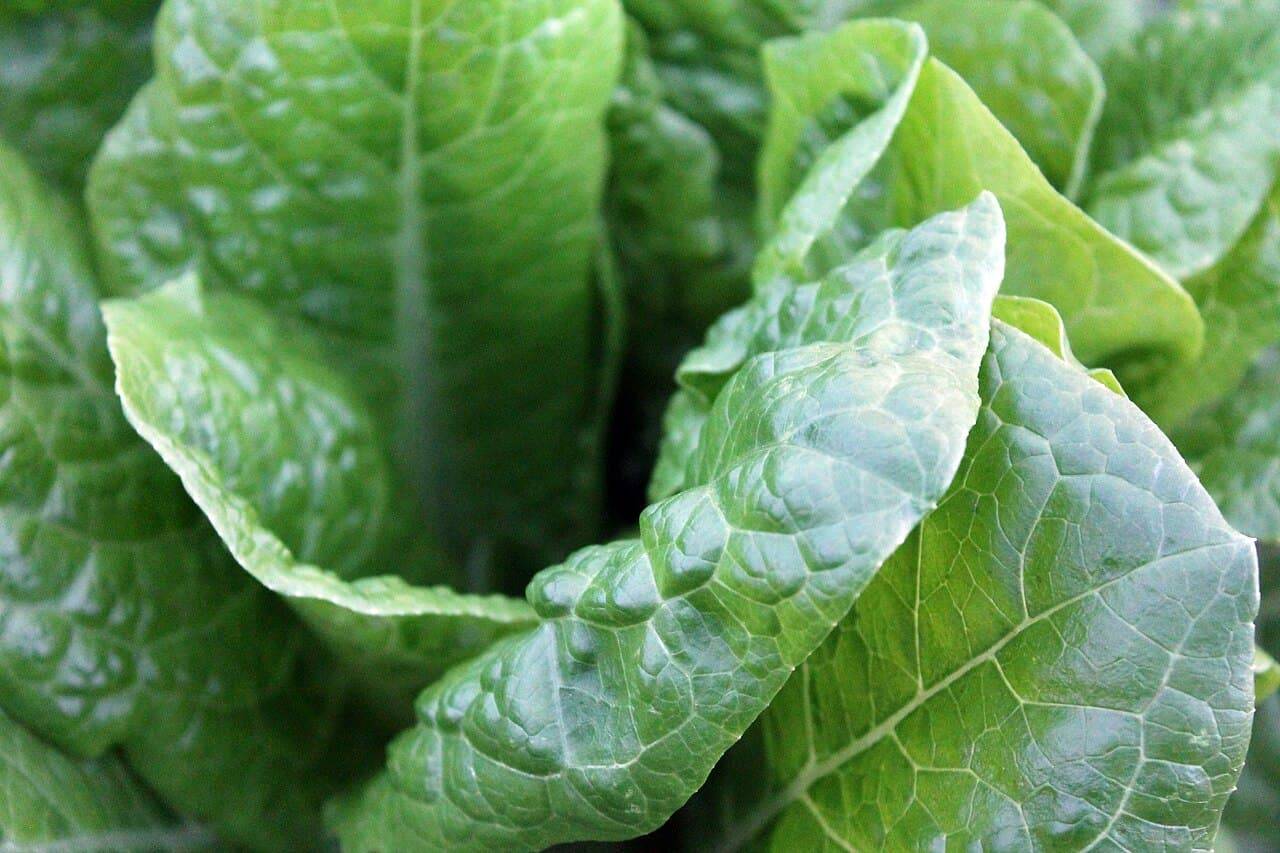
Lettuce has a relatively shallow root system and responds poorly when its growing medium repeatedly dries severely. Check the container often enough to understand its pace, especially as leaves increase in size. Water the root zone appropriately and allow excess to drain rather than keeping the pot permanently saturated.
A quick surface sprinkle may not reach all the roots. Look at how water enters the mix and whether it runs down a gap around the edge. At the same time, avoid treating every change in leaf appearance as proof of thirst. The container-watering routine can help you combine moisture checks with an understanding of weather and pot size.
Harvest useful outer leaves carefully
Take clean, sound leaves once they reach a size you can use. For repeated individual picking, leave the center and enough smaller leaves for continued growth. Use clean hands or suitable clean scissors and avoid tearing the entire plant upward. A few leaves for lunch are a different harvest from removing most of the canopy.
Check the plant after picking. If it is small, stressed or slow to replace leaves, allow it more time. Repeated harvests depend on continued growth; they are not a fixed entitlement from every plant. Follow a variety-specific method if you are using a cut-and-come-again technique rather than picking individual outer leaves.
Keep the harvest clean and handle it promptly
Inspect leaves for damage, soil and insects without assuming that a homegrown crop is automatically free of contamination. Use safe produce-washing practices before eating and keep harvesting equipment clean. Do not collect decaying leaves alongside sound salad leaves and expect storage to correct the problem.
Pick a realistic amount for the meal or a short storage plan. Tender leaves are easily crushed beneath heavier produce. Protect them appropriately and refrigerate promptly after harvesting where needed. The appeal of a container crop is that you can often pick what you will use, rather than accumulate a large bag that becomes difficult to finish.
Know when to start again
A lettuce plant eventually reaches the end of a useful harvesting period. Bolting, persistent stress or declining quality can be a reason to replace it rather than keep trying to restore the first tender leaves. Remove the old crop appropriately, inspect the growing setup and plan the next sowing for suitable conditions.
Keep a short record of the variety, planting window and the harvests you enjoyed. That information is more valuable than expecting every packet to perform identically. A small succession of healthy plants can provide a better result than one crowded container kept long after its best stage.