How to Plan a Small Pollinator Container Garden
Plan a pollinator container around local plants, a sequence of flowers and a manageable watering routine. Small spaces can provide useful resources.
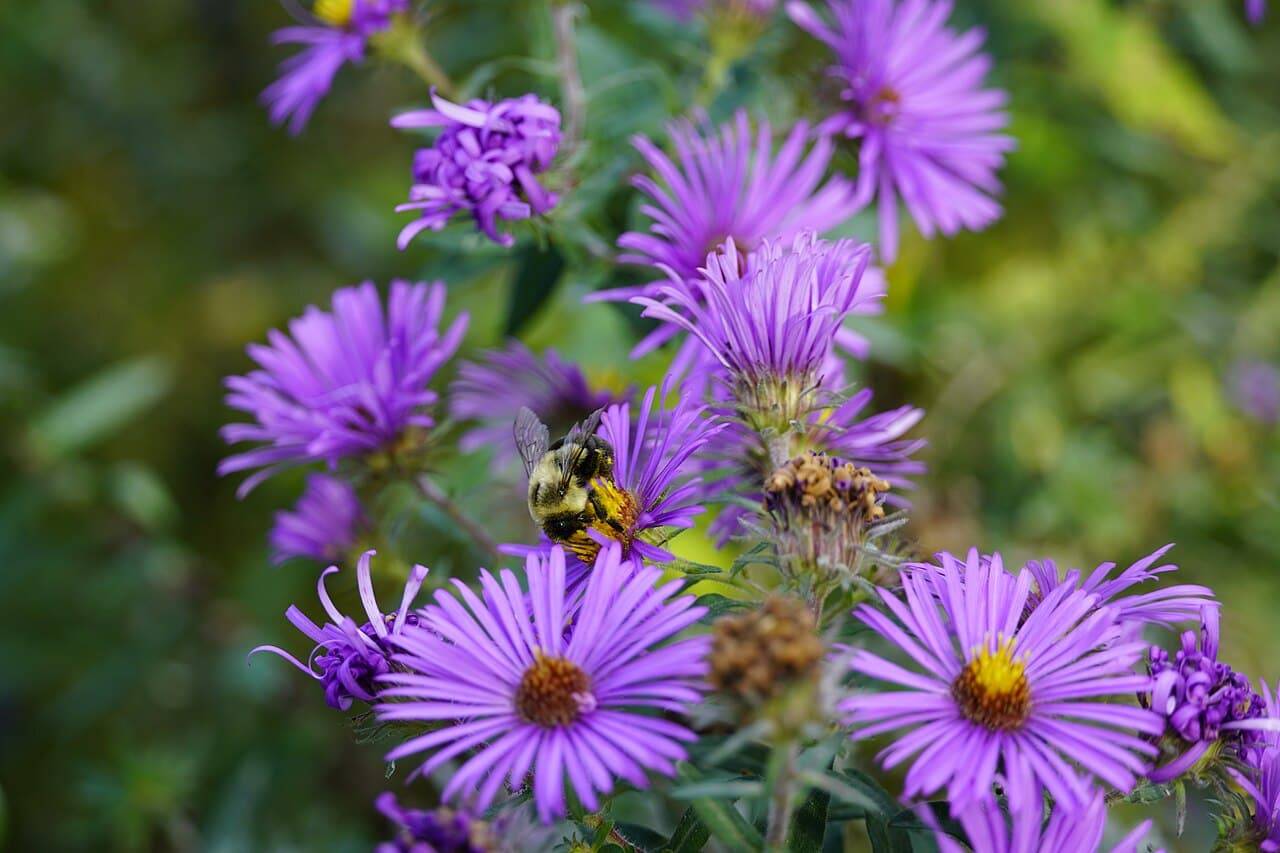
A pollinator container is most useful when its flowers provide accessible resources at a time insects can use them. Choosing a pot simply because a label shows a butterfly is a weaker plan than matching plants to your light, climate and growing space. You do not need a large balcony display to begin. A small, well-maintained collection can be more dependable than an impressive arrangement that dries out or stops flowering soon after purchase.
Observe the location before choosing flowers
Watch how sunlight moves across the space and notice exposure to wind, reflected heat and shelter. A location described loosely as sunny may receive only a short period of direct light, while another may become intensely hot against a wall. Those differences influence which plants can grow and flower well in a container.
Consider access too. You need to water, inspect and maintain the plants without moving them into an unsafe position. Keep paths and exits clear, and use suitable containers that remain stable. A planting that is easy to care for is more likely to keep providing flowers than one placed where every watering session becomes a difficult task.
Use local guidance for plant selection
Plants that support pollinators in one region are not automatically suitable everywhere. Consult a reliable local list and check whether the plant is appropriate for container growing. Native plants can be useful choices, but the species, size and setting still matter. Avoid assuming that the word native identifies a plant that is native to your own area.
Choose the exact plant rather than relying only on a broad common name. Related plants and cultivars can differ in flower structure, growth and usefulness to insects. A compact plant with accessible flowers may suit a small pot better than a vigorous species that quickly outgrows the available root space.
Plan a sequence instead of one flowering moment
A display bought at peak bloom may provide a short burst of flowers and then a gap. Think about when each plant is expected to flower in your location. A sequence of compatible plants can make the container useful over a longer period, provided you can maintain them in the same conditions.
You can also use separate pots rather than forcing every plant into one large arrangement. This lets you manage different needs and replace a finished seasonal plant without disturbing everything around it. The objective is a workable supply of flowers, not a rule that every component must share the same container.
Give the roots a realistic growing space
Use suitable potting mix and containers with effective drainage. Leave enough room for the plants at their expected size, rather than judging only the small plants at the garden center. Crowding can make watering more demanding and reduce the space available for healthy growth.
Match companions by their growing requirements as well as their colors. A plant that needs consistently moist conditions can be awkward beside one that prefers a much drier medium. Our potting-mix guide explains the root environment, and the watering guide offers a routine based on observation rather than a universal schedule.
Keep flowers and plant health in view
Inspect the plants regularly, including flower buds and the undersides of leaves where appropriate. Remove spent flowers only when that suits the species and the purpose of the planting. Some seed heads can have value later, so maintenance is a considered choice rather than an instruction to remove every faded part immediately.
Avoid using insect-control products casually on a planting intended to support insects. Identify a problem before deciding what to do, read any product label and follow guidance appropriate to the plant and visiting wildlife. A neat-looking container is not a reason to eliminate every insect you notice.
Observe visitors without disturbing them
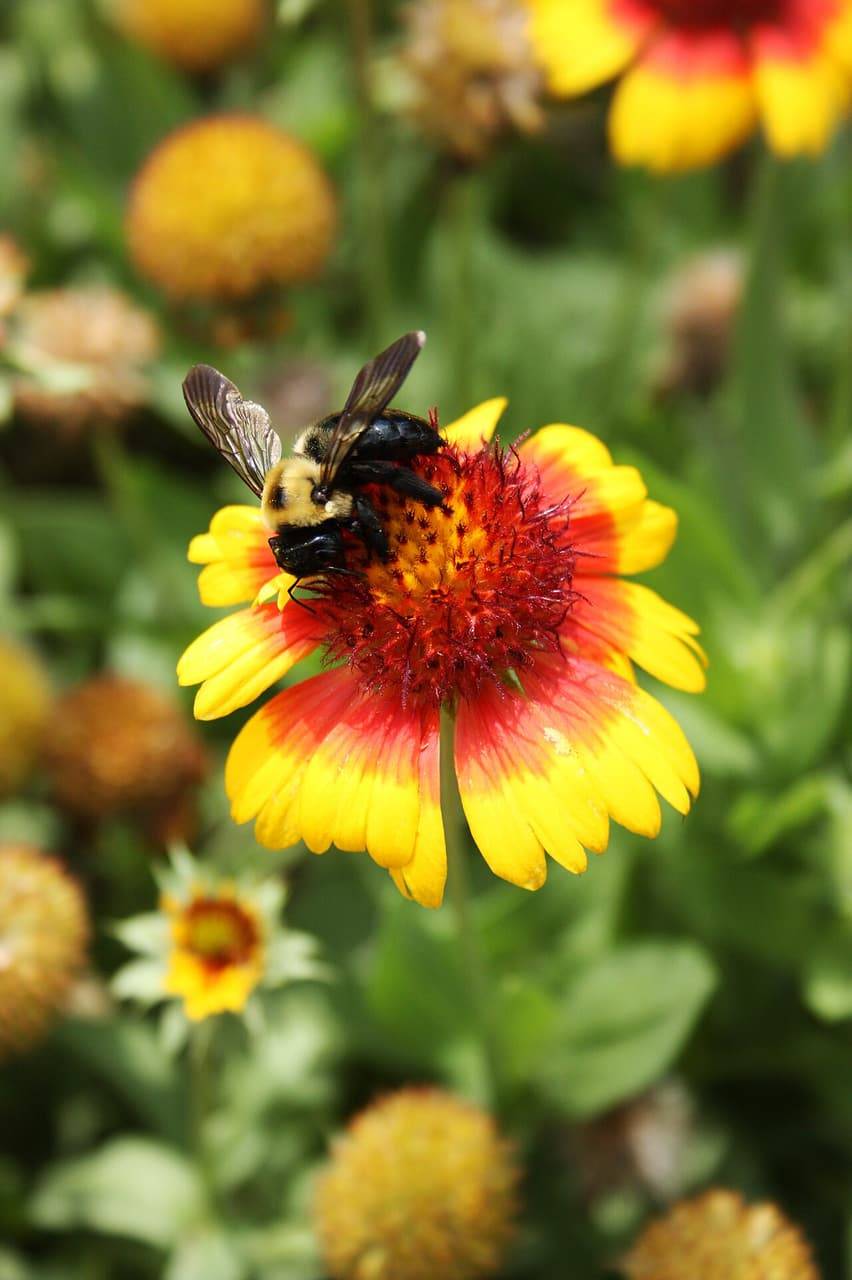
Spend a few quiet minutes watching which flowers are visited and how insects use them. Record a photograph from a respectful distance if you want help identifying a visitor later. Do not handle unfamiliar insects or force a close encounter for a picture. Observation can tell you which parts of the planting are active without turning the display into a petting area.
A lack of visitors at one moment does not prove the planting has failed. Weather, time of day, season and the surrounding landscape all matter. Repeated observations are more useful than a single short check immediately after placing a new pot outdoors.
Learn from one season before expanding
Keep a simple note of flowering periods, watering demands and the visitors you could identify confidently. If a plant struggled, consider whether the issue was exposure, root space or care rather than assuming its species is unsuitable in every setting. Change one or two things so the next season gives you useful information.
A small pollinator container is a practical place to learn how flowers, weather and insects connect. Choose for the location, provide continuity where possible and maintain the plants well. Those decisions matter more than the size of the display or a decorative promise on a label.