How to Use Mulch Without Smothering Your Plants
Choose mulch for the setting, leave room around stems and check the layer before topping it up. Practical guidance for beds, trees and containers.
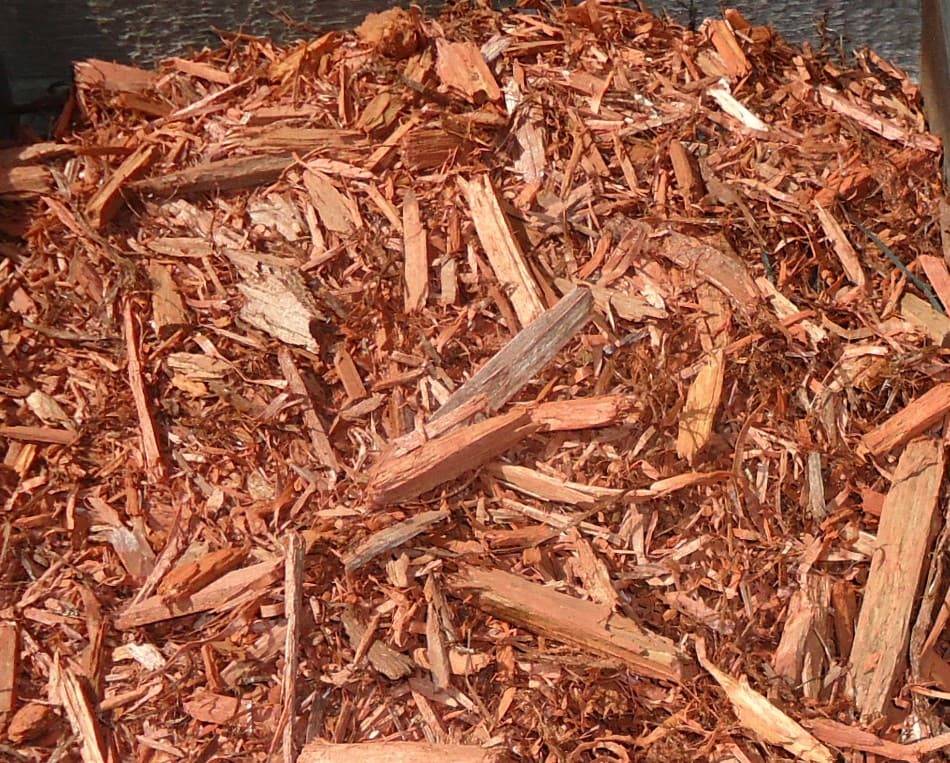
Mulch is a layer placed on the soil surface to protect or manage it. Used thoughtfully, it can reduce moisture loss, limit some weeds and soften the impact of rain. Problems arise when more material is added without checking the old layer, or when it is piled against stems and trunks. Good mulching begins with the plant and the purpose, rather than treating every bare patch as a space to fill deeply.
Decide what the layer needs to do
A vegetable bed, a tree and a small patio container present different situations. You may want to reduce surface drying, protect exposed soil or make routine weeding easier. Choose a material that suits that goal and the way you will manage the area. A durable bark mulch around established landscape plants is not automatically the best material to work around tiny vegetable seedlings.
Organic materials such as appropriate wood chips, leaves or straw break down over time. Stone and other inorganic materials behave differently and do not contribute organic matter in the same way. The best choice depends on the planting and setting, not simply which material looks most uniform on the day it is applied.
Prepare the area before covering it
Remove existing weeds appropriately before adding a layer. Mulch is less useful when established weeds are simply buried and continue growing through it. Identify the desired plants so you do not pull out a small perennial or self-sown seedling by mistake. Work gently around roots and avoid unnecessary digging close to stems.
Check soil moisture and the condition of the area. A dry surface beneath a thick cover can become harder to assess later. Mulch does not replace watering a plant that needs it, and it will not repair a drainage problem by itself. Address the growing conditions rather than asking a surface layer to solve every difficulty below it.
Keep material away from stems and trunks
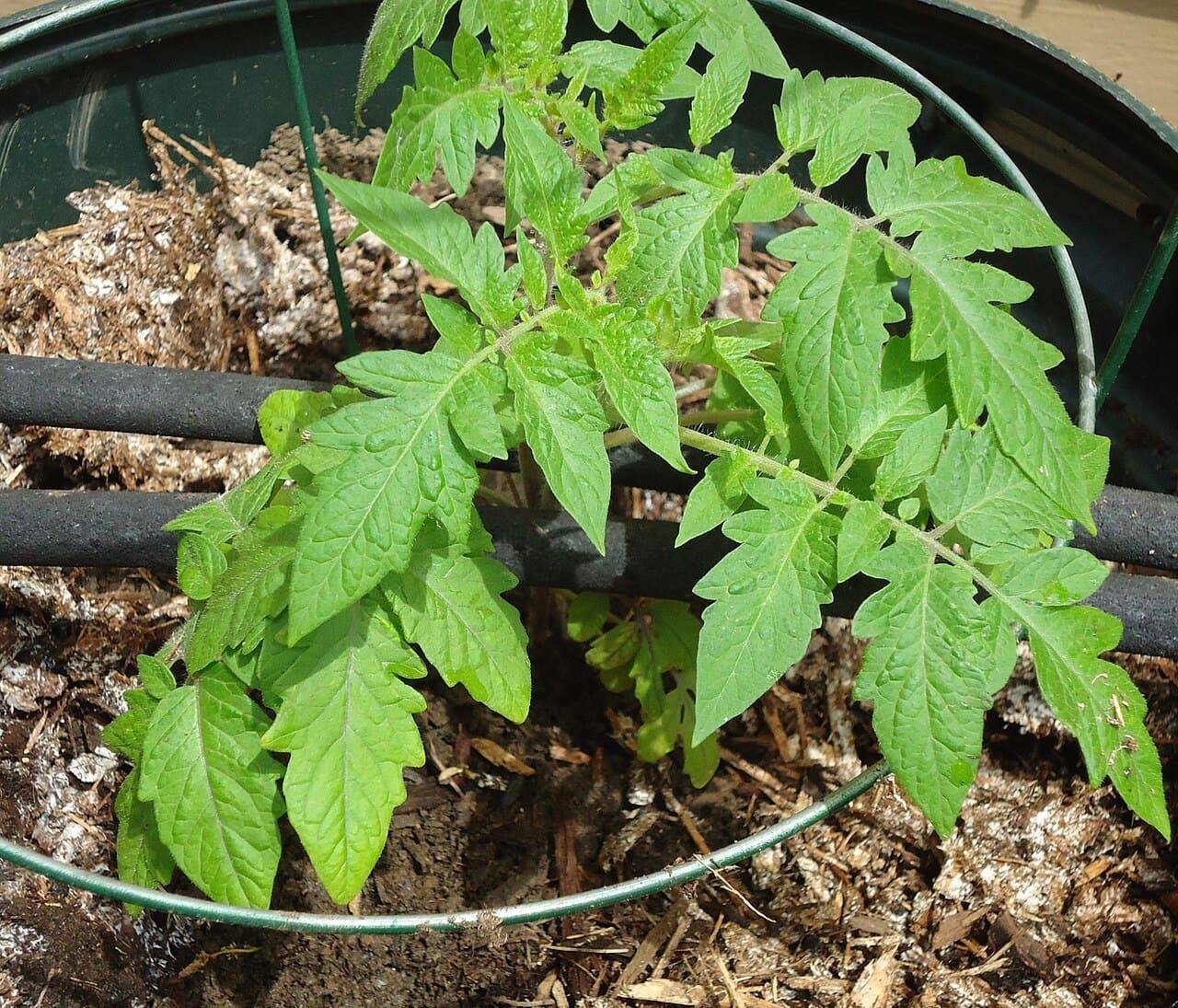
Leave a clear space around plant crowns, stems and tree trunks. A mound pressed against the base can hold moisture where it is not wanted and conceal the condition of the plant. For trees, a broad protected area is more useful than a tall cone rising against the bark. Step back and look at the shape before considering the job finished.
The exact clear space and layer depth depend on the plant and material, so follow suitable local guidance. Avoid treating a general depth recommendation as permission to cover delicate emerging growth. Small seedlings and low-growing plants may need a different approach from established shrubs.
Check depth before adding another layer
Organic mulch settles and decomposes, but the old layer does not always disappear completely between seasons. Move it aside in a few places to see what remains. Adding the same quantity every year without checking can gradually create a much deeper cover than intended. Top up only where the material and the planting need it.
Keep an eye on matting as well. A thick mass of fine material can behave differently from a loose layer of larger pieces. Spread suitable materials evenly and avoid dense, wet clumps. The purpose is to protect the surface while maintaining conditions that suit the roots, not to seal the bed beneath an impenetrable blanket.
Use mulch in containers selectively
A suitable surface layer can help some containers lose water more slowly, but it is not right for every pot. Consider the plant's crown, the space available below the rim and how you will judge moisture. A small container packed tightly to the top may become awkward to water or inspect once another layer is added.
Do not confuse surface mulch with stones buried at the bottom of a pot. Those are different practices. Our container drainage explanation covers the bottom layer, while the watering guide explains why checking the root environment still matters even when the top looks protected.
Choose clean, appropriate material
Think about where the mulch came from and what may be in it. Material carrying unsuitable residues, contamination or large amounts of weed seed is a poor starting point. Do not assume that anything organic is appropriate for an edible bed. If using grass clippings, for example, check the relevance of herbicide use and the guidance for that material.
Similarly, compost and fresh woody material are not interchangeable in every application. Follow advice that matches the crop and how the material will be used. A surface cover is different from mixing a large amount into the root zone, so avoid changing the method simply because the same bag is available.
Inspect the bed after rain and watering
Look beneath the layer occasionally to understand whether water is reaching the soil and how quickly the area is drying. Check around plant bases and along bed edges where material may have shifted. If a plant is struggling, include mulch placement in the inspection rather than assuming that a neatly covered bed must be functioning well.
Useful mulching is a continuing adjustment, not a one-time decorative finish. Choose for the setting, preserve space around the plants and maintain an appropriate layer. Those habits let the mulch support the garden without becoming another obstacle to noticing what the plants need.